Apr 302014
 
20140501-081210.jpg
20140501-081145.jpg

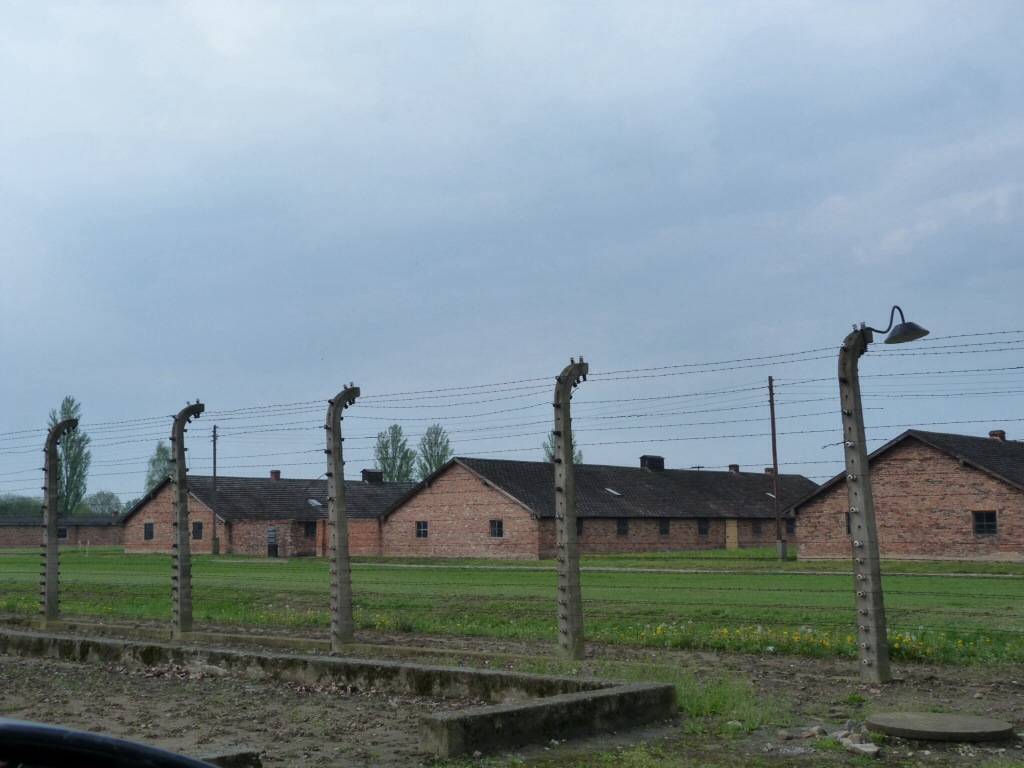
Camp Fence around Women’s Quarters

20140501-081121.jpg

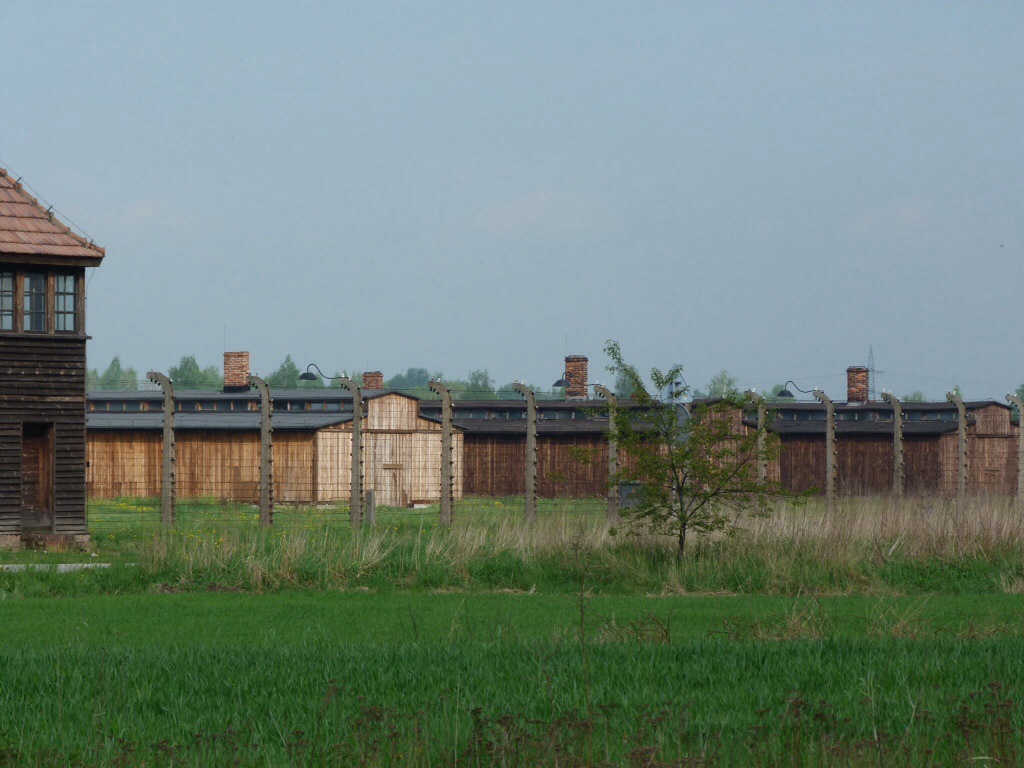
Wooden Prisoner Barracks

20140501-081052.jpg

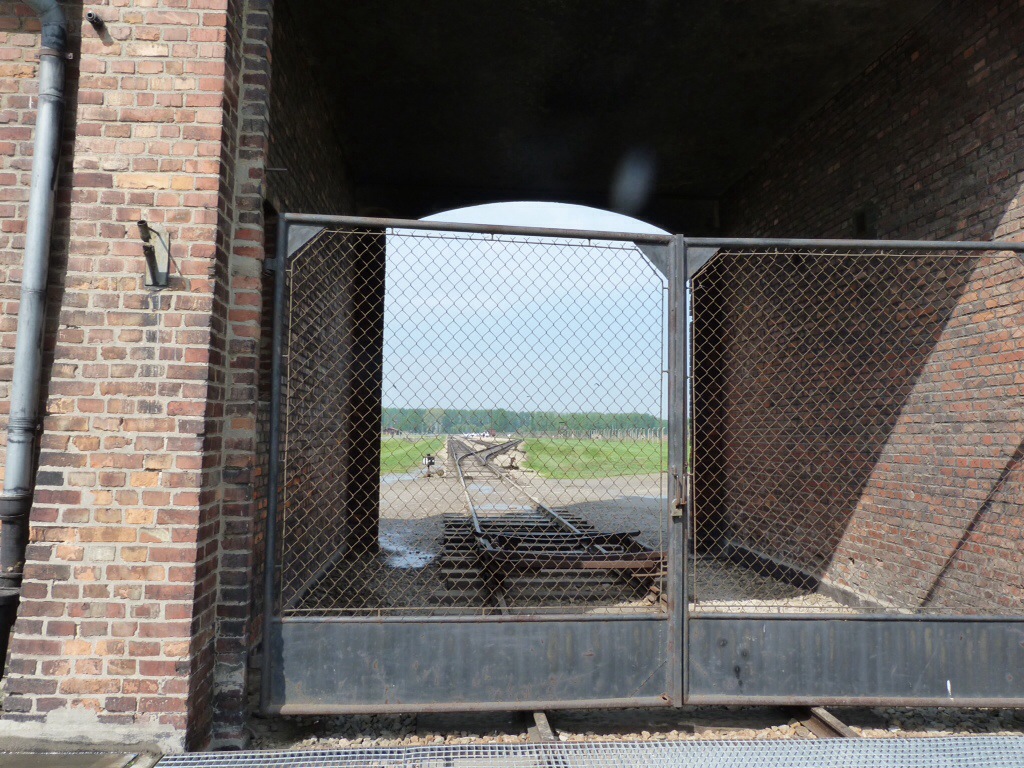
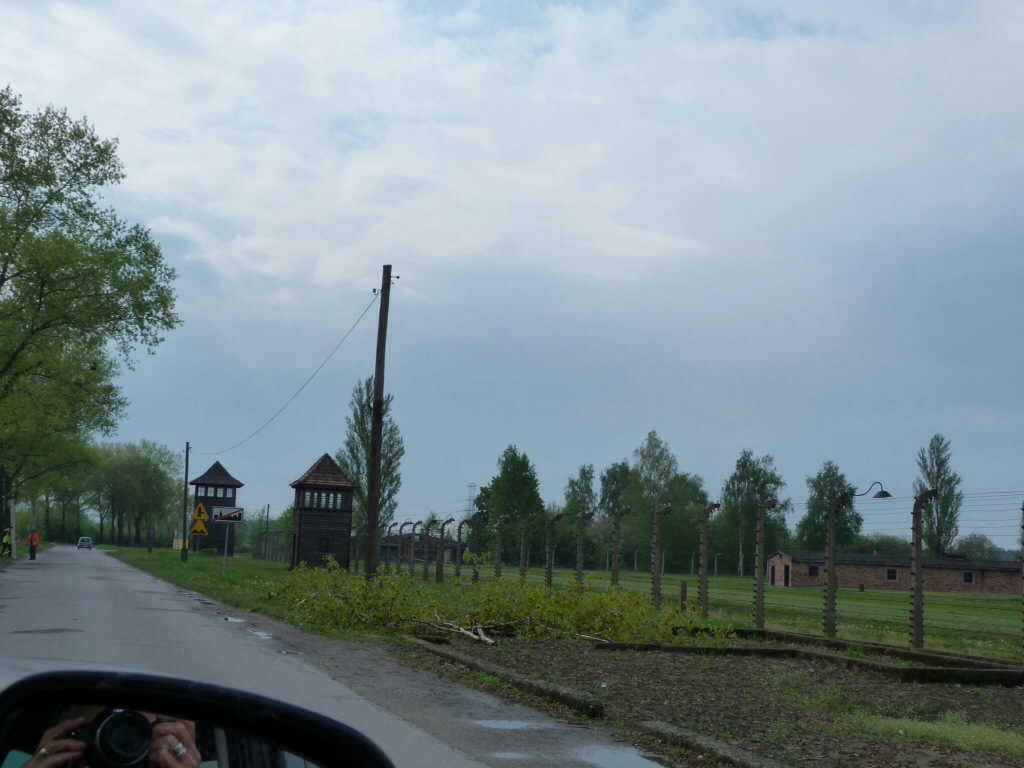
Through “Death Gate”

20140501-081022.jpg

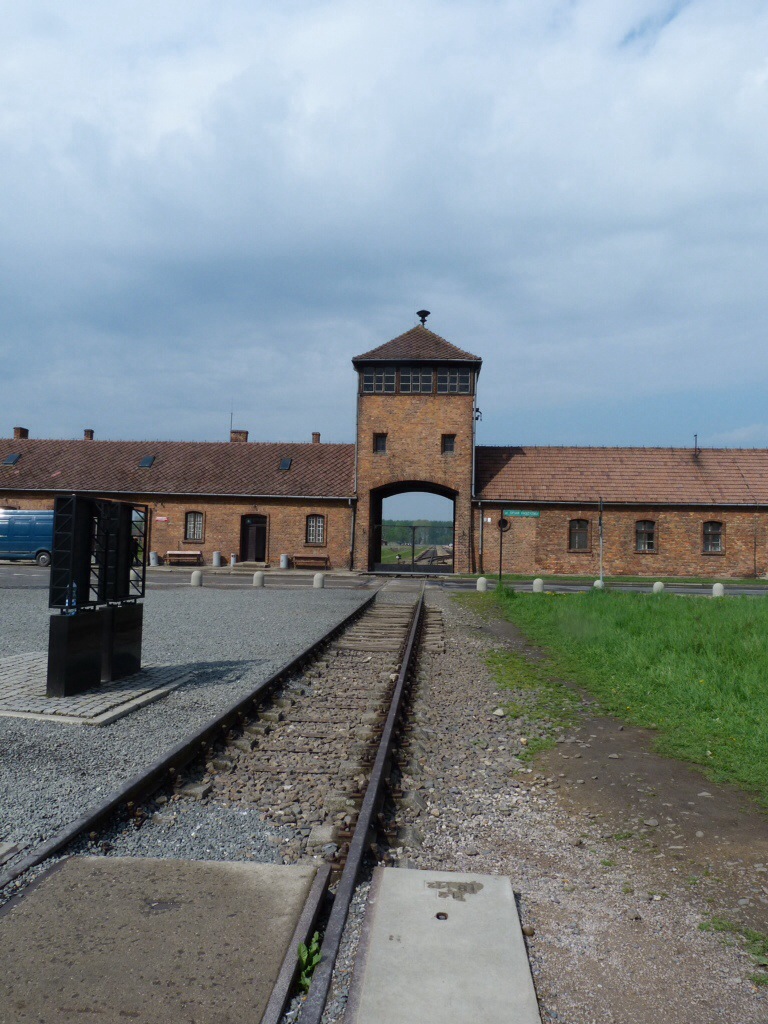
Main Guard House Known as “Death Gate’

An early morning trip through the industrial and suburban parts of Krakow helped us feel like regular commuters dealing with heavy traffic and ancient systems unequipped to support everyone’s dream to own their own car. Although the transport system seems effective and reliable and is fully used, car traffic is heavy in urban areas.

We visited Auschwitz. Synonymous with fear and horror, Auschwitz was the Nazi’s largest concentration and extermination camp and was part of a three camp complex in the immediate area. It is estimated that between 900,000 and 1.5 million Jews and others were murdered here, brought in trains through “Death’s Gate” from all over Poland. The gas chambers worked ceaselessly from 1942 to the end of the war killing thousands daily.
Today it has been turned into a museum charting the history of the camp and of persecution in wartime Poland. Chilling and horrifying we were very moved.

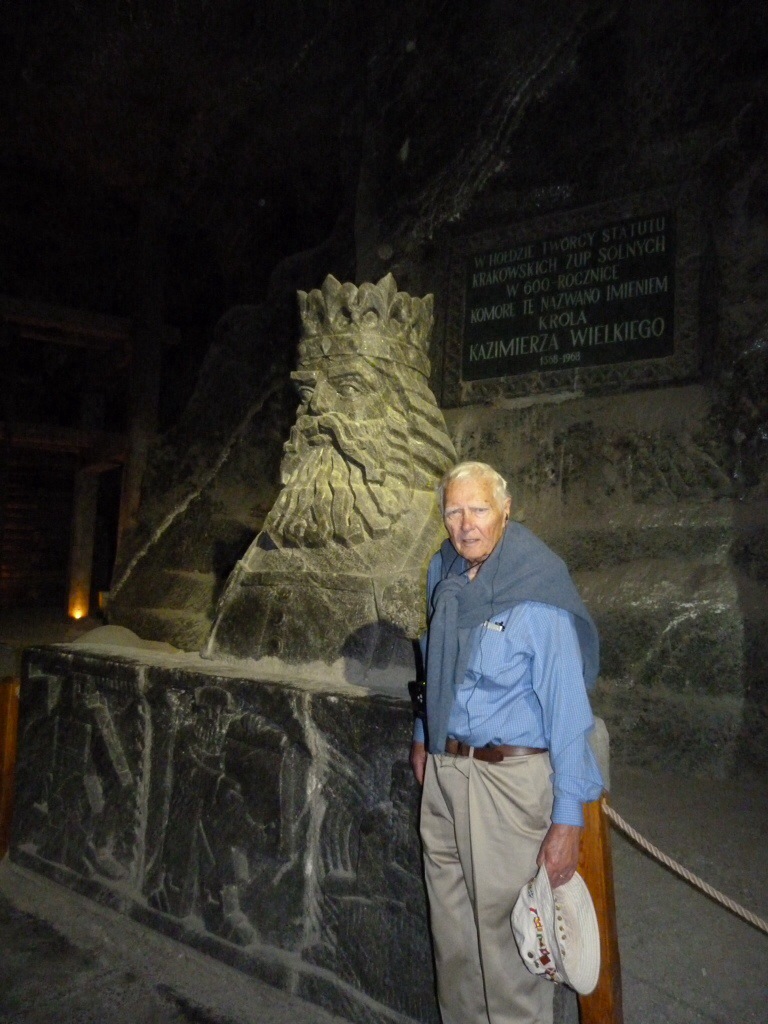
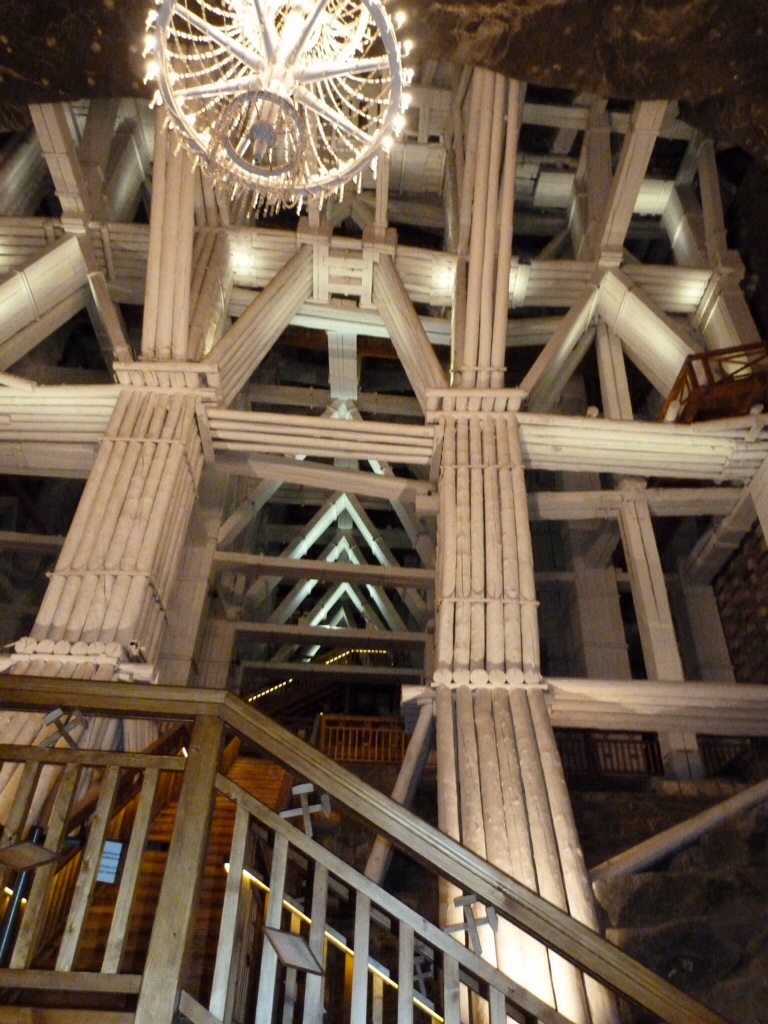
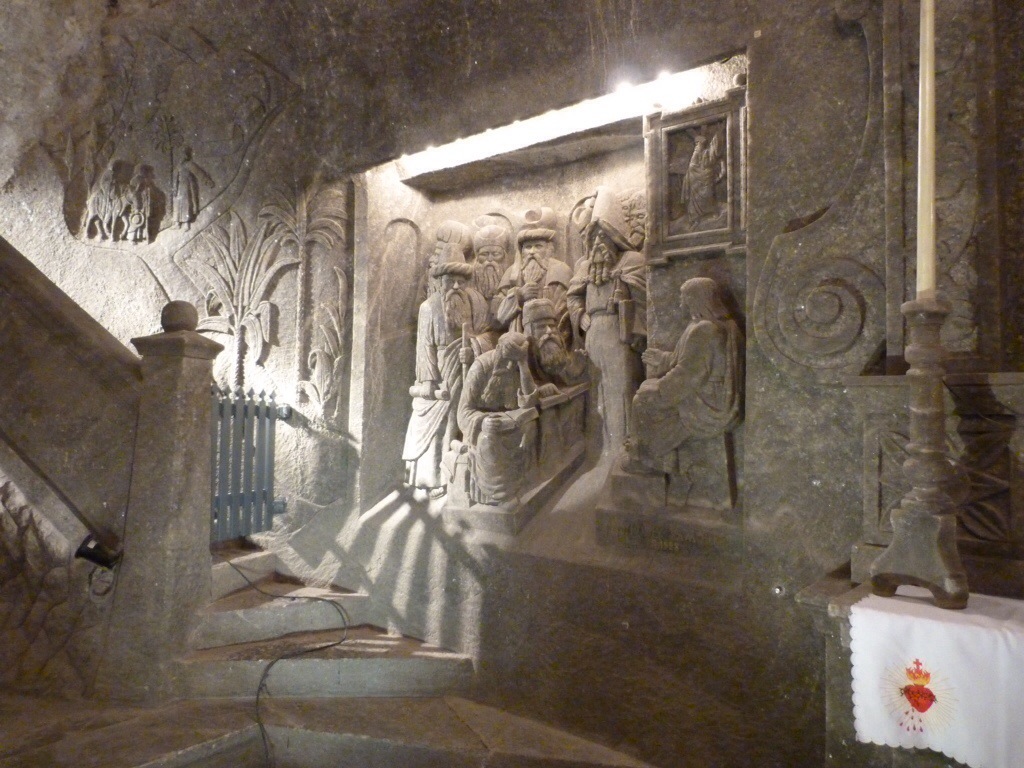
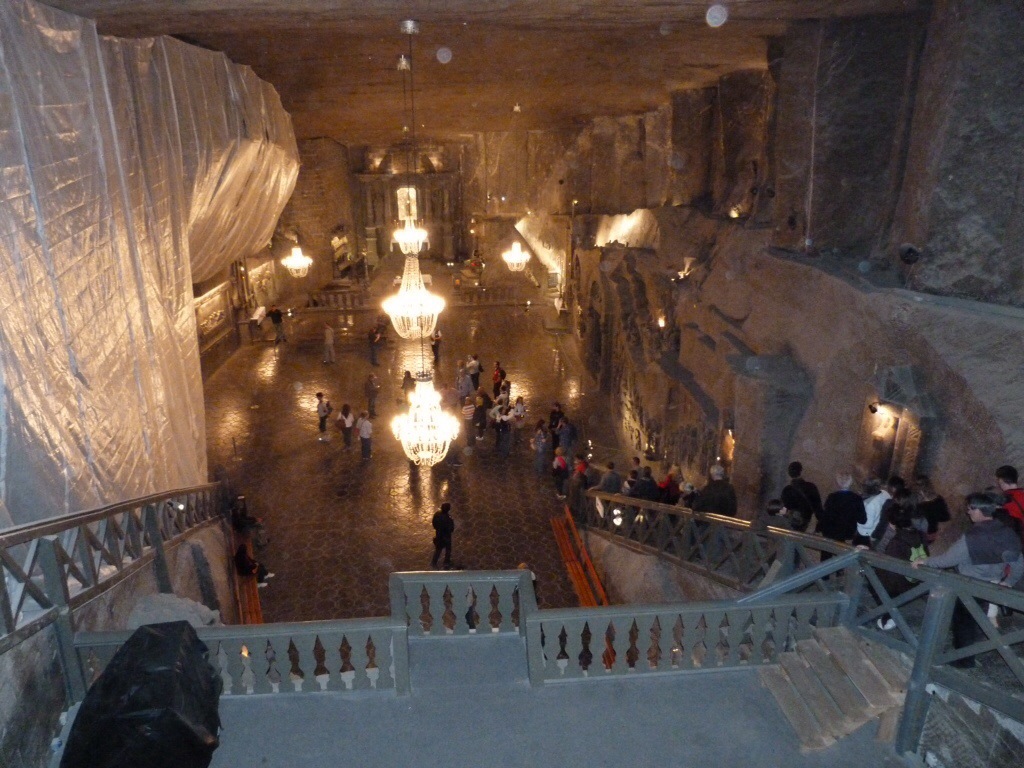
We then visited the ancient Salt Mines of Wielicza, opened 700 years ago. The mines figured heavily in the riches of past kings because salt, before refrigeration, was essential for preserving food. Poland had enormous deep salt deposits. A salt miner was a free person and earned a good living doing very dangerous but essential work. The evolution of the mining technology over the lifetime of the mine was very interesting. For example the mine management had an entire stable of working horses who lived healthfully and worked four to five hundred feet below the surface. Each horse stayed for a 10 year stretch since they could not be lifted up and down with ease. This adventure was yet another incident of our friend Susan Spoto’s sage travel suggestions.

20140501-195949.jpg

20140501-200133.jpg

20140501-200011.jpg

20140501-200106.jpg

Apr 302014
 
20140430-061318.jpg

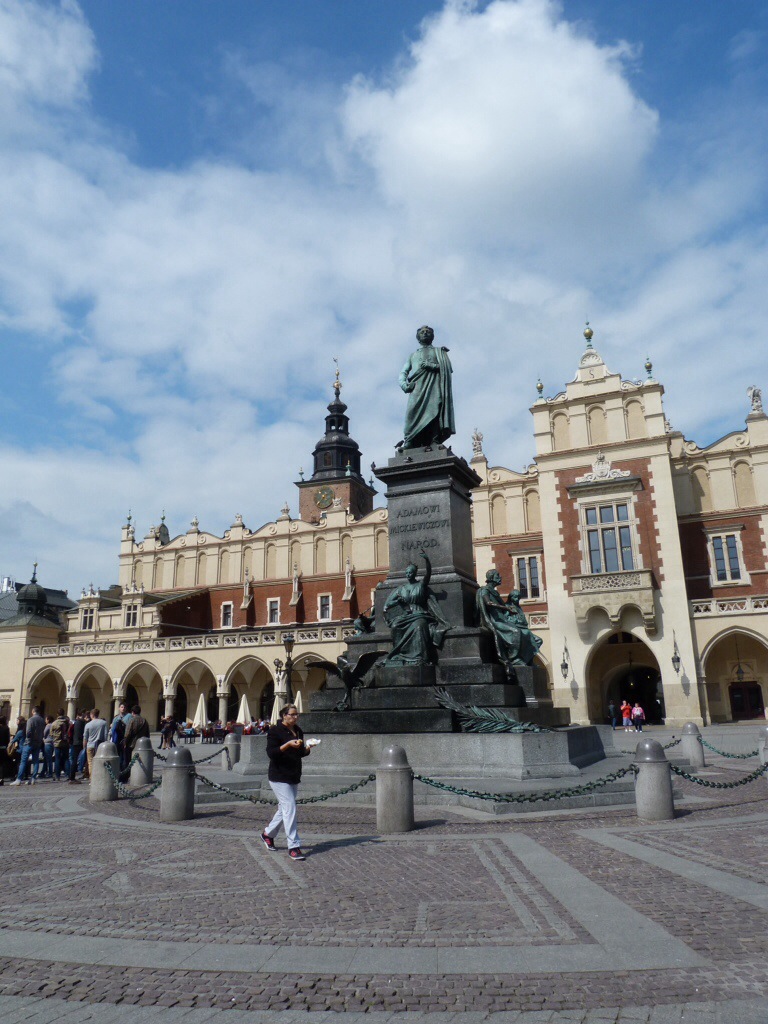
Cloth Hall–Market Square Center
20140430-061238.jpg

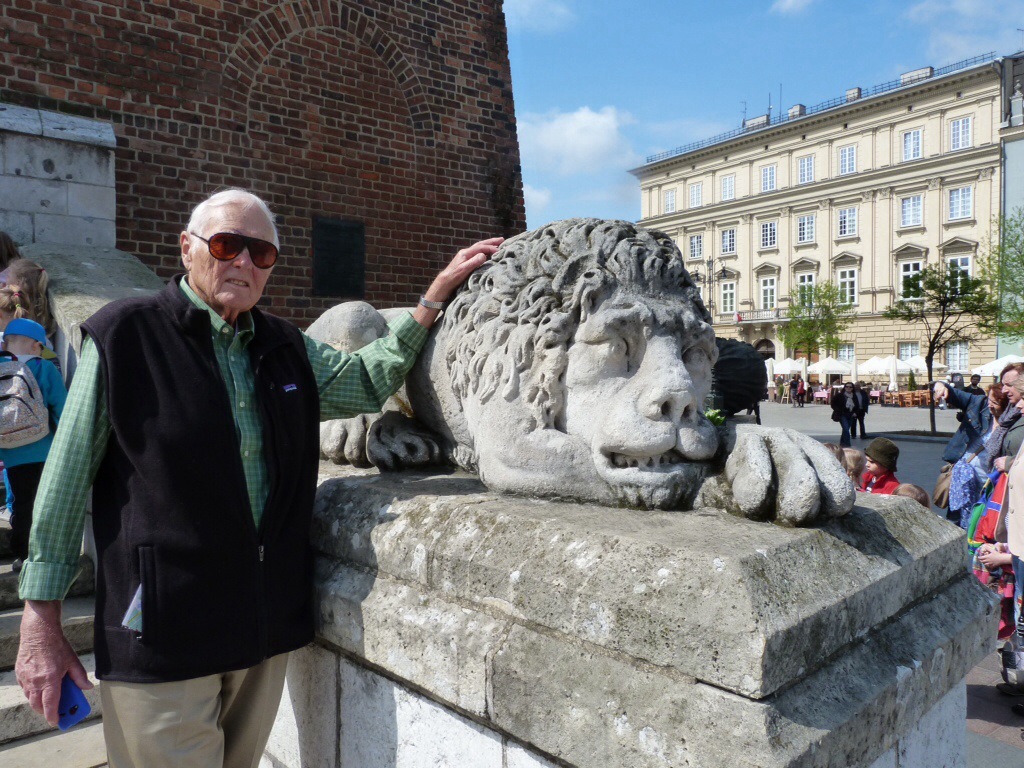
Two Lions in Springtime

20140430-060941.jpg

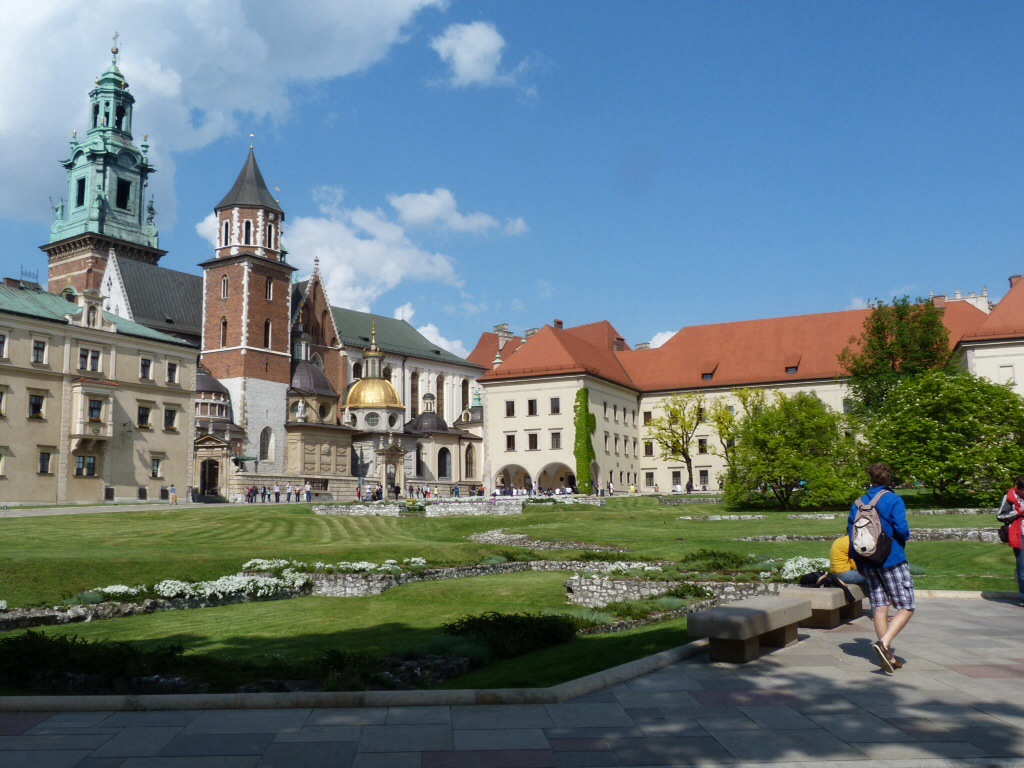
Royal Castle

20140430-060903.jpg

Royal Castle Staterooms at the Right

20140430-060822.jpg

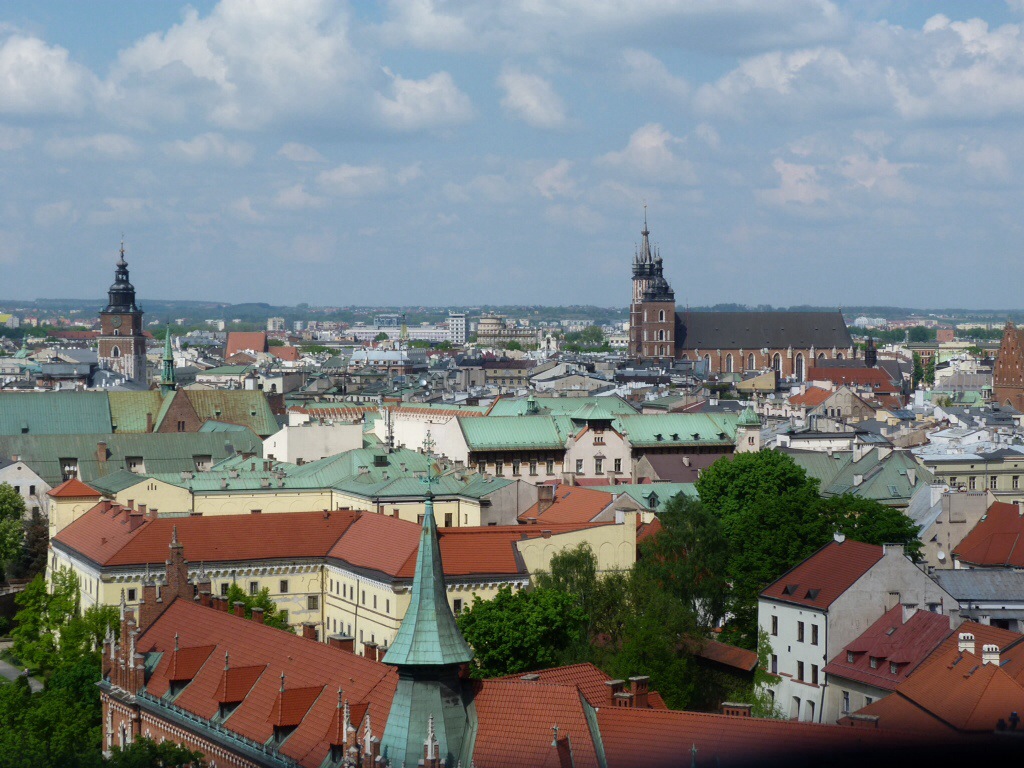
View from the Cathedral Belltower

Kraków is the city that attracted us to Poland. Reputed to be both an historic as well as a visual gem, it is Poland’s second largest city and covers both banks of the Vistula river. Seated at the base of the Carpathian Mountains, the metropolitan area has more than 1.4 million residents. Kraków also serves as the capital city of the Malopolskie (Lesser Poland or Little Poland) province in the southern region of Poland.

There is archeological evidence of settlements here since 20,000BC. Early Krakow grew from a small settlement in 1000AD to large wealthy city primarily through trade with the various rulers of Europe.

Brief historic highlights that impact the face of the city today include: in 1241, the city was almost entirely destroyed by Tatars. Rebuilt in a design that remains largely unchanged today. It was again over run in the 13th century by the Mongols when Kazimierz the Great set about defending the city. Walls, fortifications, and the original Wawel Castle were added. The University was also established. King Kazimierz also established the district of Kazimierz for Jews to live free from persecution. This area remained mainly Jewish for centuries until the Nazi occupation.

The 16th century is regarded as Krakow’s golden age. Under the influence of the joint Polish-Lithuanian Jagiellonian dynasty, Krakow became a centre of science and the arts. In 1569, Poland was officially united with Lithuania and as a result government activity started to move to Warsaw. King Zygmunt III officially moved the capital in 1609.

The 17th century marked a return to troubled times for Krakow and Poland. Invaded by Russians, Prussians, Austrians, Transylvanians, Swedes, and the French, Poland went through various forms of political control.
In the First World War, Józef Piłsudski set out to liberate Poland and the Treaty of Versailles (1919) established an independent sovereign Polish state for the first time in more than 100 years. This lasted until the Second World War, when Germany and the USSR partitioned the country, with German forces entering Krakow in September 1939. Many academics were killed and historic relics and monuments were destroyed or looted. Concentration camps were established near Krakow, including Plaszow and Auschwitz. After German withdrawal, the city escaped complete destruction and many buildings were saved.

In the Communist period, a large steel works was established in the suburb of Nowa Huta. This was seen as an attempt to lessen the influence of the anti-Communist intelligentsia and religious communities in Krakow. In 1978, UNESCO placed Krakow on the World Heritage Sites list. In the same year, the Archbishop of Krakow, Karol Wojtyła, was made Pope John Paul II.

The Communist Government collapsed in 1989. For the last quarter century Krakow has undergone yet another period of regeneration and revitalisation creating a dynamic energetic symbiosis between historical preservation and 21st century development.

Our first full Krakow day we wandered the main Market Square admiring the amazing array Renaissance and Baroque buildings, mansions and churches defining the perimeter of the enormous square as well as the Cloth Hall in the market’s center. We spent on the afternoon exploring the museums on Wawel (the walled fortification overlooking the old section of the town) including the Wawel Royal Castle Museum and the Royal Cathedral both inextricably linked as seats of power. The trappings of power in both were stunningly displayed and arrayed and the audio-guide fascinating.

We ended the day with a fun carriage ride throughout the old town.
Apr 262014
 

20140426-191019.jpg

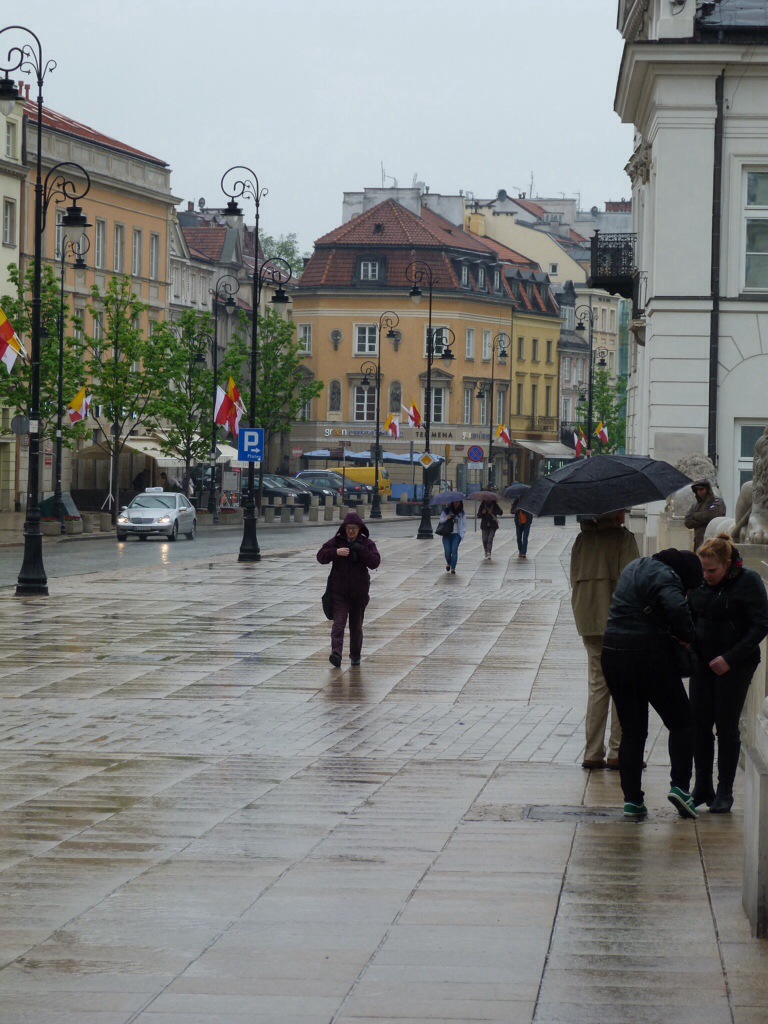
Former Pope John Paul will be officially canonized on Sunday so there are major celebrations all over Poland, his native country. As we drove into Warsaw the city is awash in banners and posters.

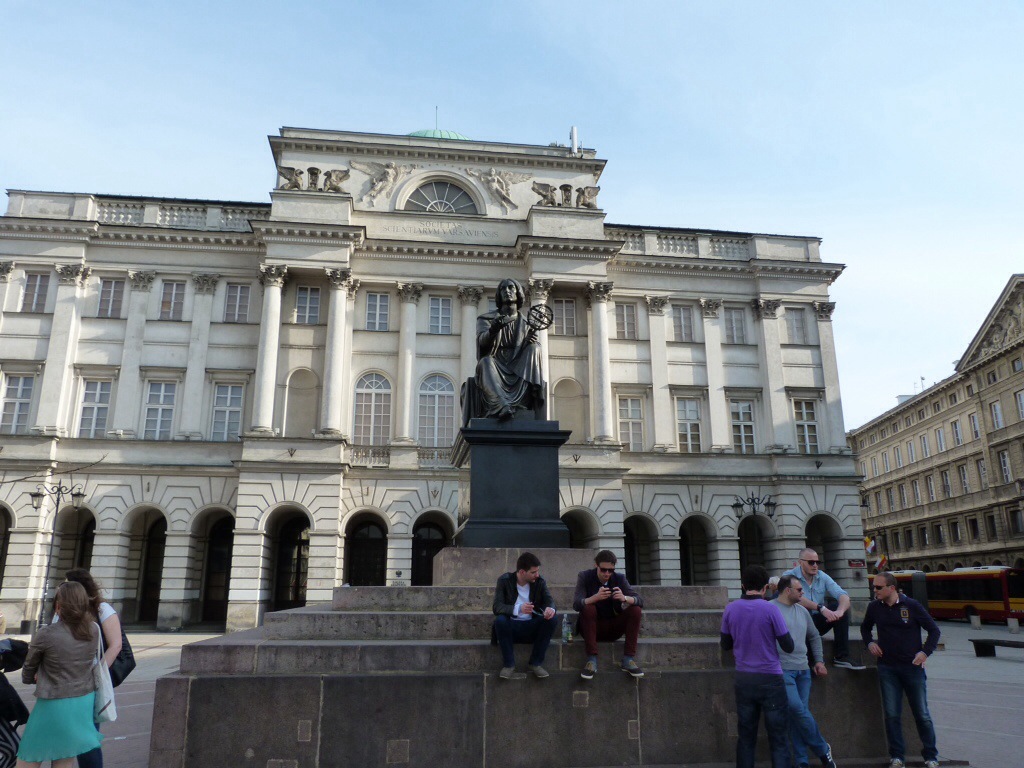
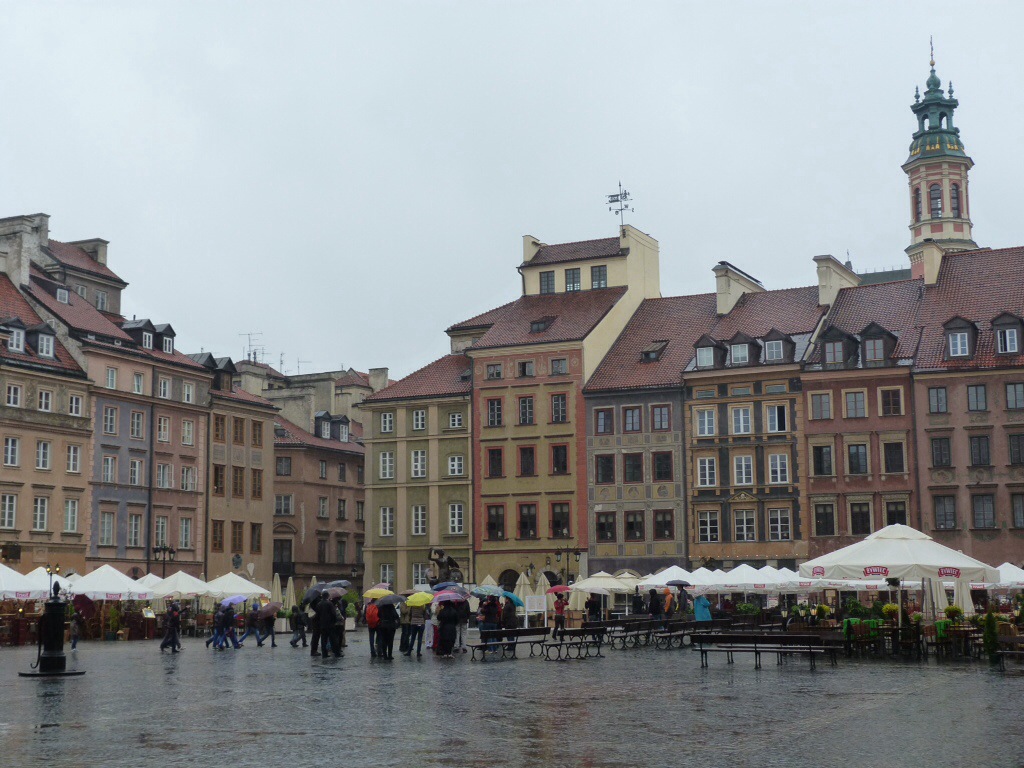
Today it is raining. We are staying adjacent to the oldest part of Warsaw, founded at the turn of the 13th century, so it makes it very easy to meander the cobblestone streets among the reconstructed buildings. The streets follow a regular grid pattern typical of medieval towns and are laid along the original patterns before the bombings of 1939 and 1944. Every district or neighborhood has a memorial or monument to either the fallen, the atrocities or to individual heroism. Warsaw does not intend to forget or to let future generations forget.

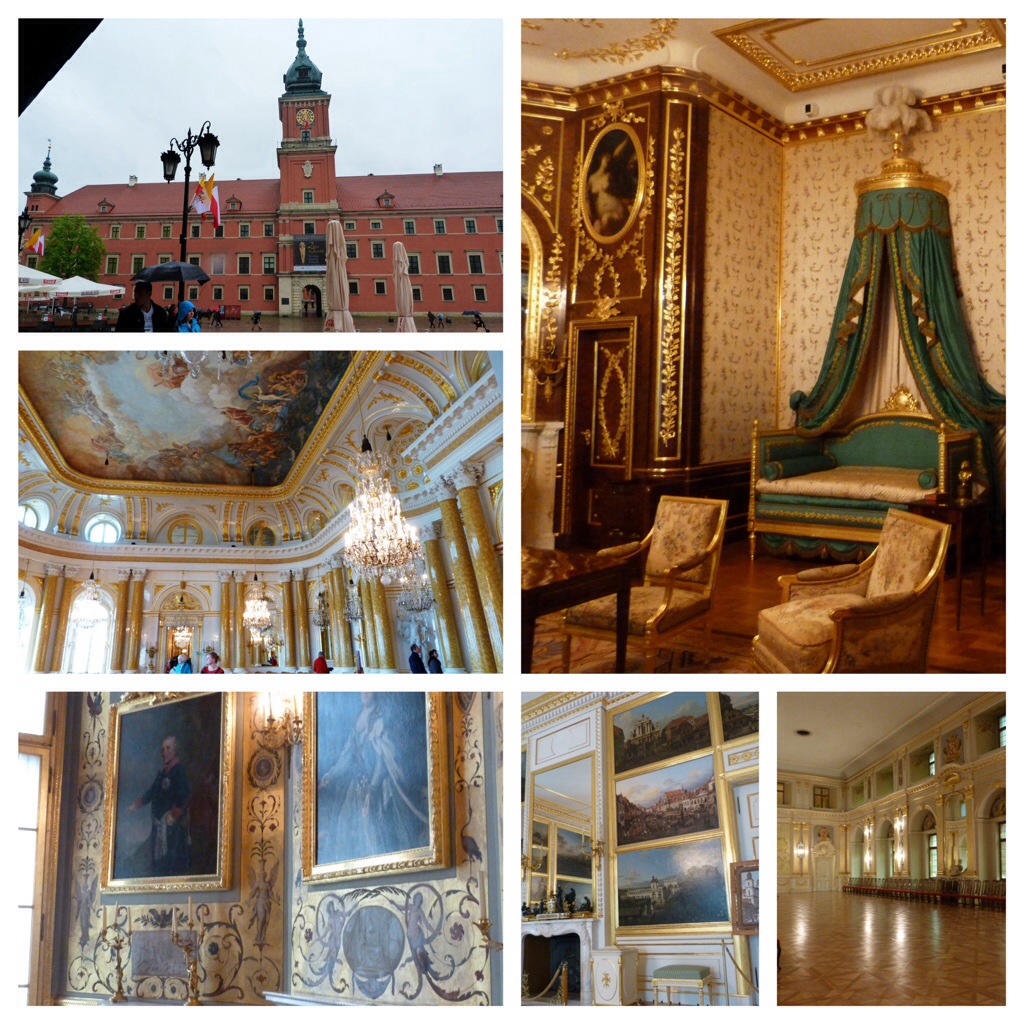
In the Old Town, the Royal Castle which was the official residence of Polish monarchs, is in the Castle Square at the entrance to Old Town. It was almost entirely destroyed but literally arose from the ashen rubble entirely funded from donations of the Polish people who saw it as a symbol of their own resiliency. The Castle is shown in the above collage.
We are also very close to the University which we will visit tomorrow.

Yet another important Warsaw historic district is the” New Town” which  was established at the turn of the 14th century as an independent city and after 1791, due to the tenets of the Constitution which unified Lithuania and Poland,  New Town was incorporated into  Warsaw.

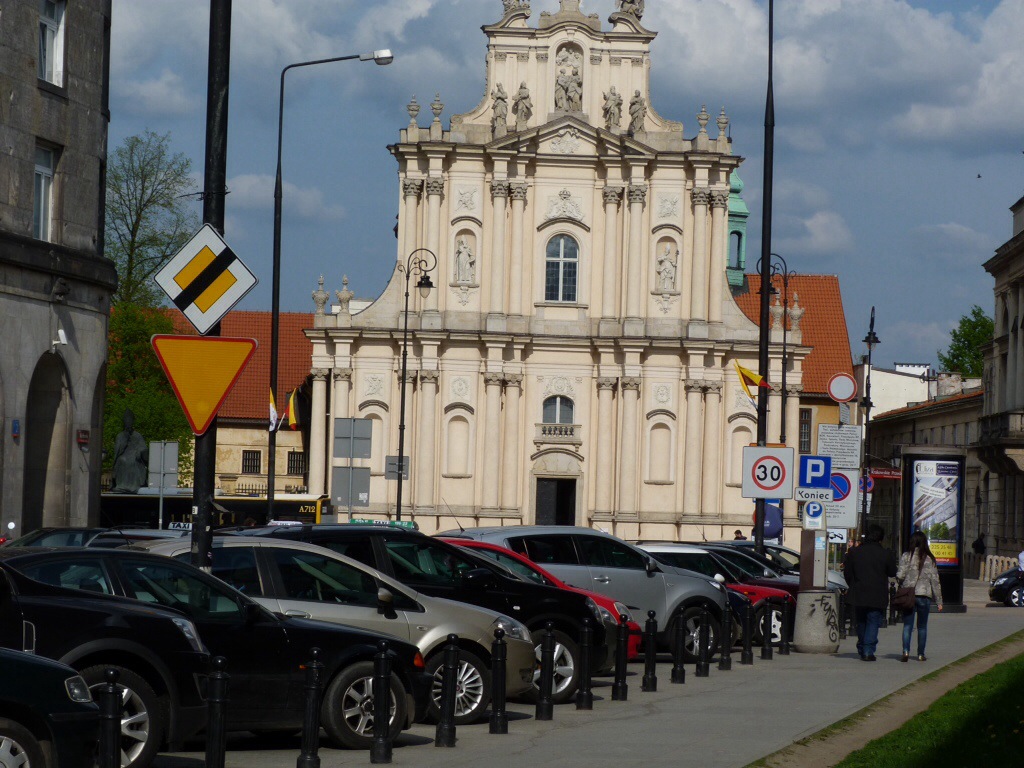
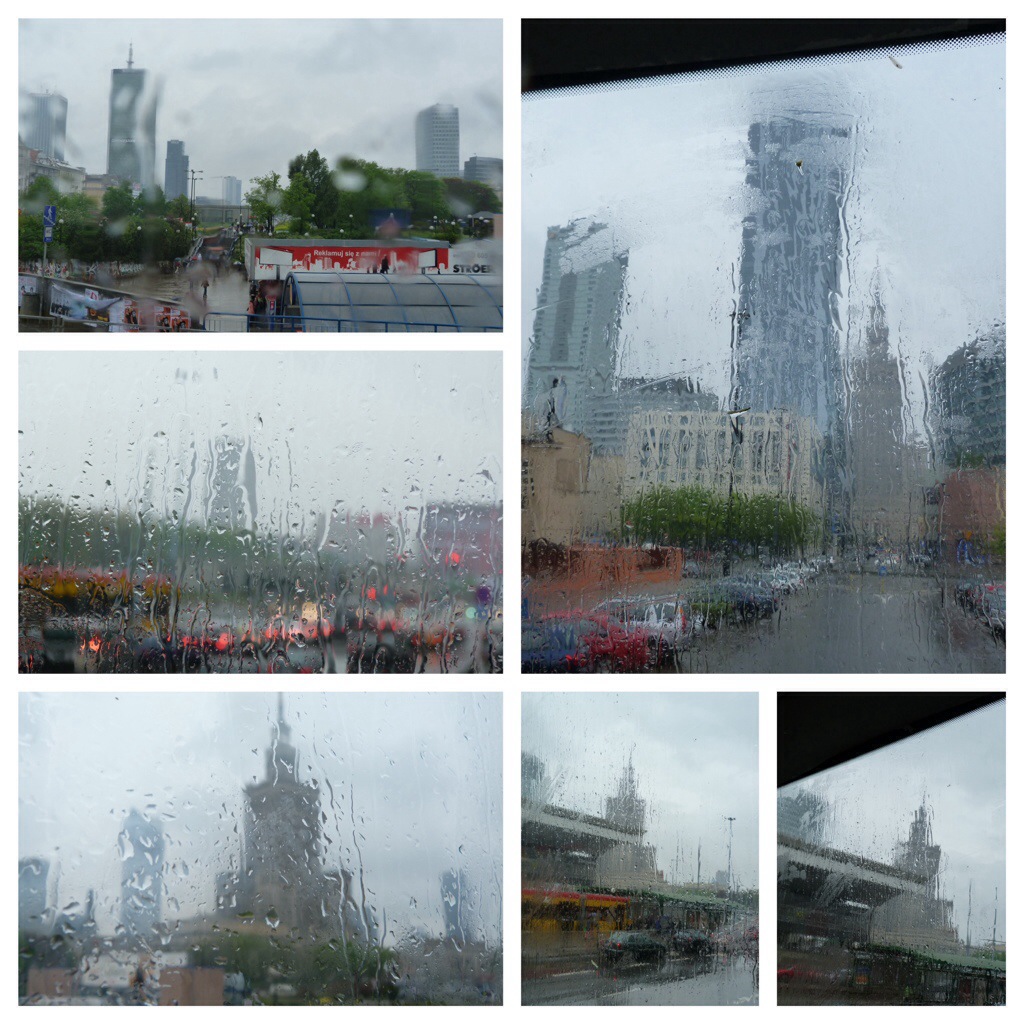
We did our bus ride over view of the city to get oriented and today in part, to stay dry and still sight see. The last collage is through a drizzly windshield as
Warsawians head home from work.

20140426-193423.jpg

Carmelite Church Built in 1661

20140426-193452.jpg

Copernicus and Copernicus Hopefulls at the Stazic Palace

20140426-193532.jpg

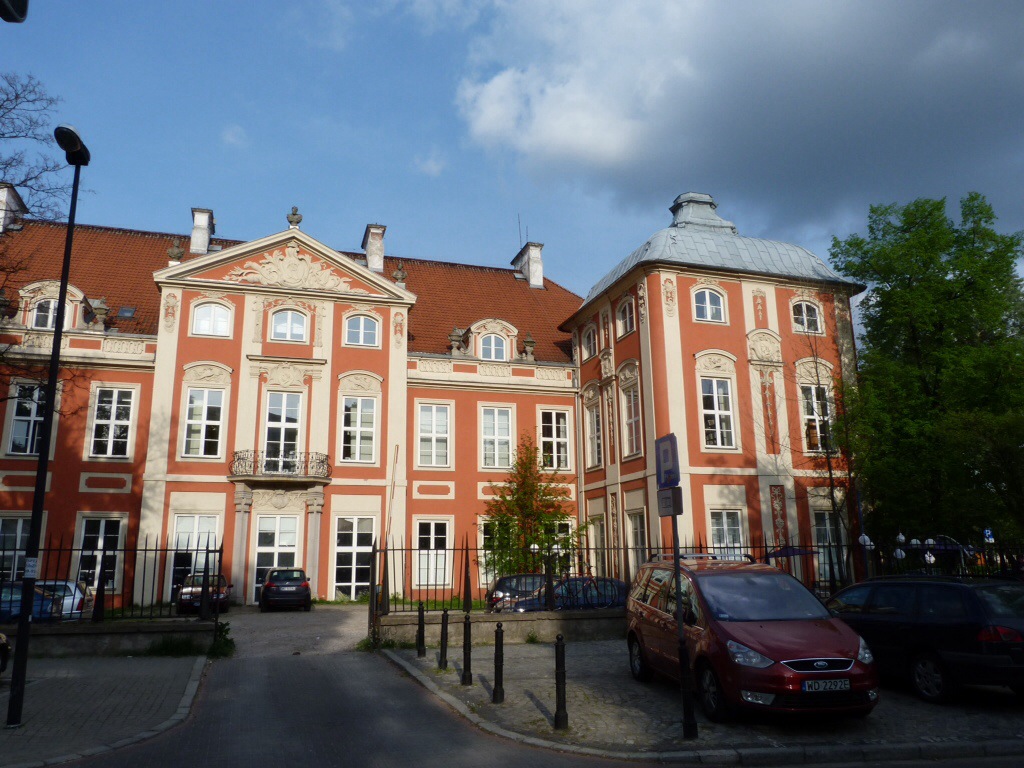
Chopin Family Home

20140426-193622.jpg

Old Town Square

20140426-193656.jpg

Staying Dry on the “Royal Way”

20140426-193740.jpg

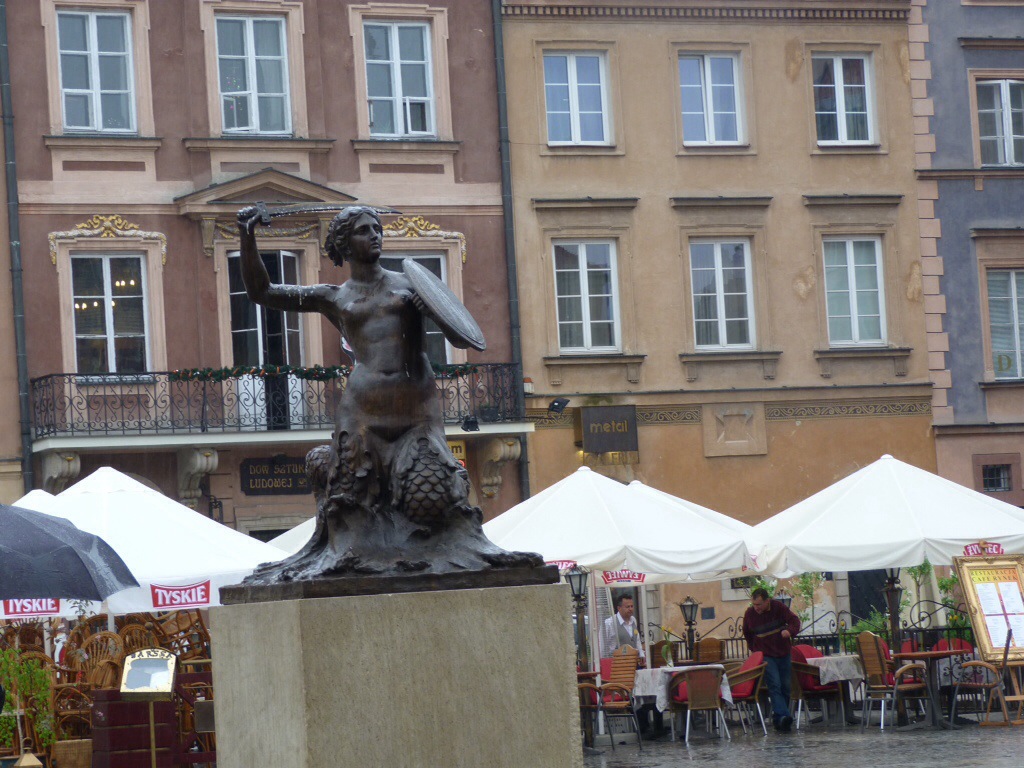
Swordfighter Mermaid

20140426-193924.jpg

Awash but Inside the Bus

Apr 232014
 
20140609-155442-57282409.jpg

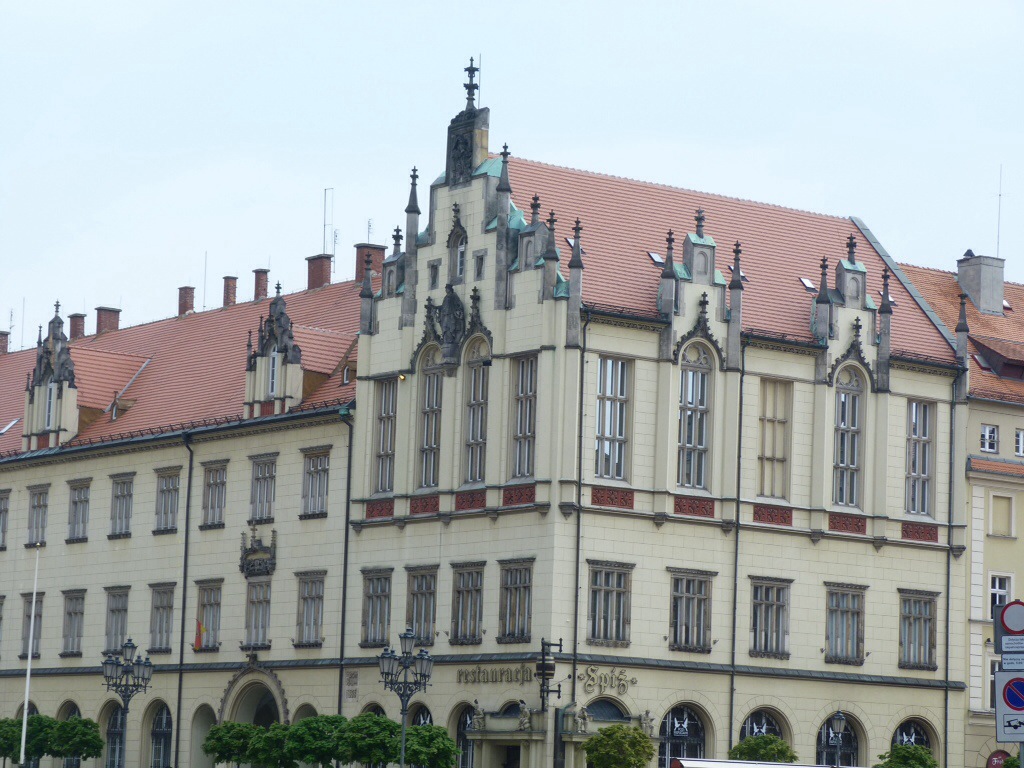
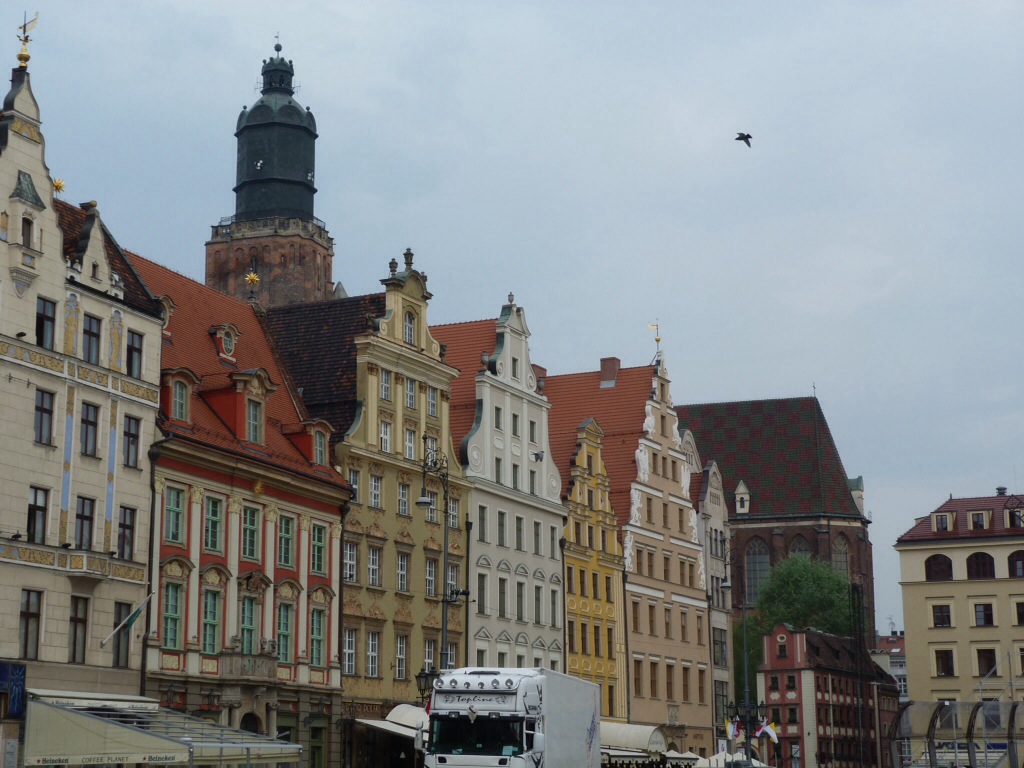
An Early Morning Between Our Hotel and the Main Square

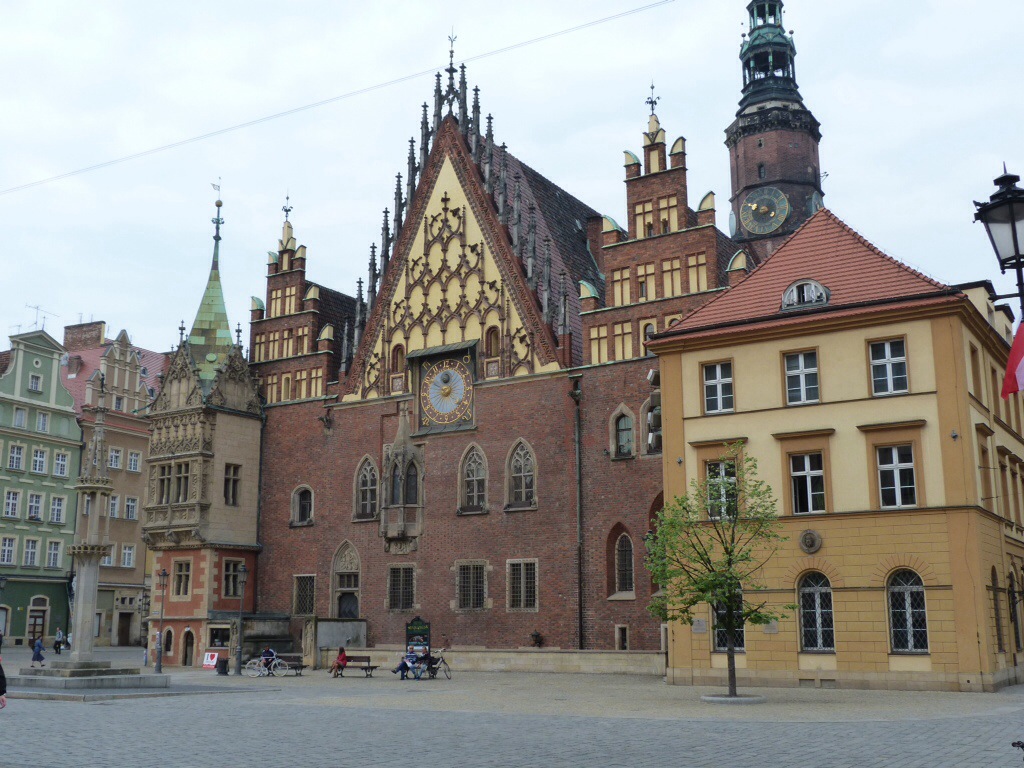
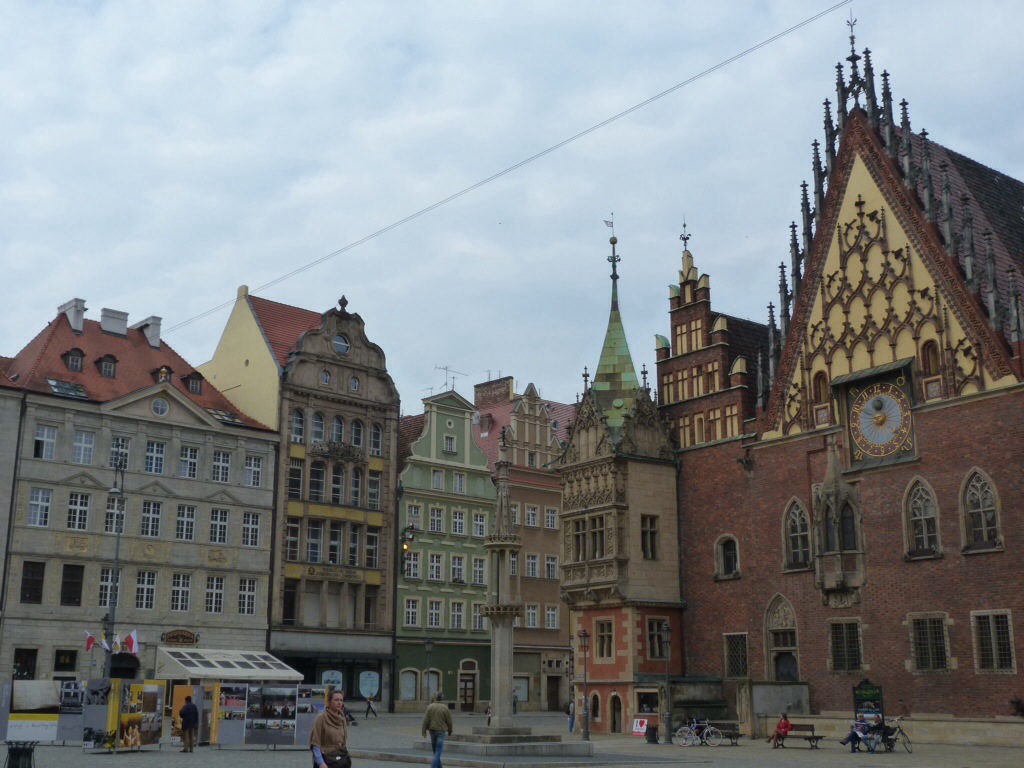
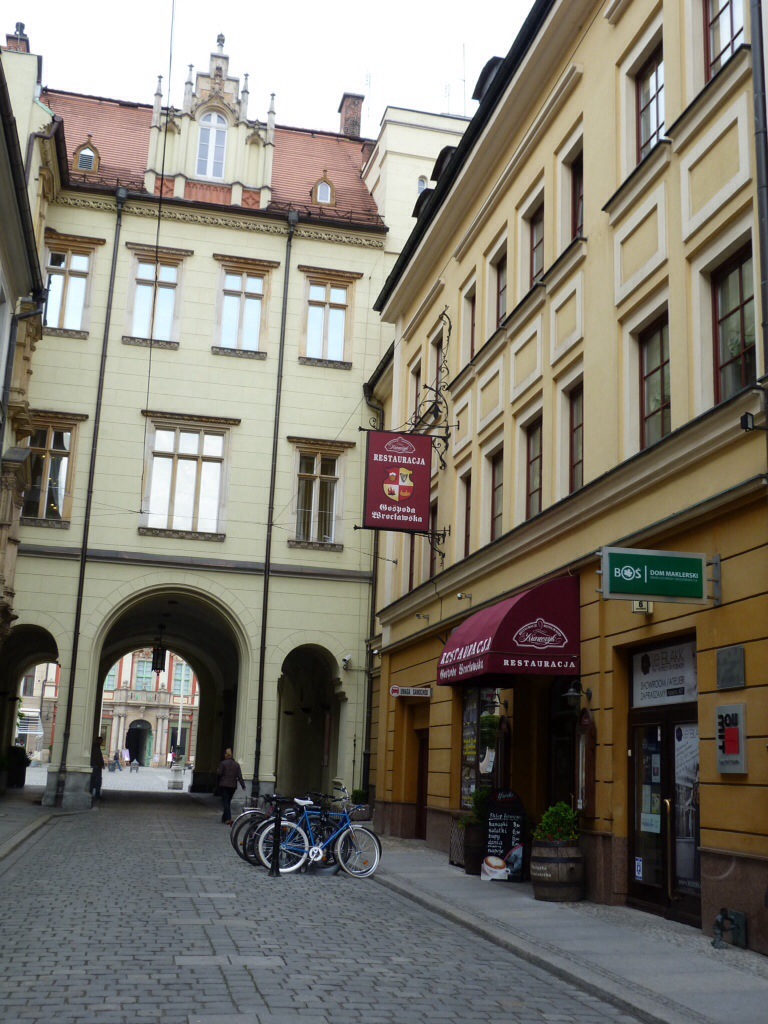
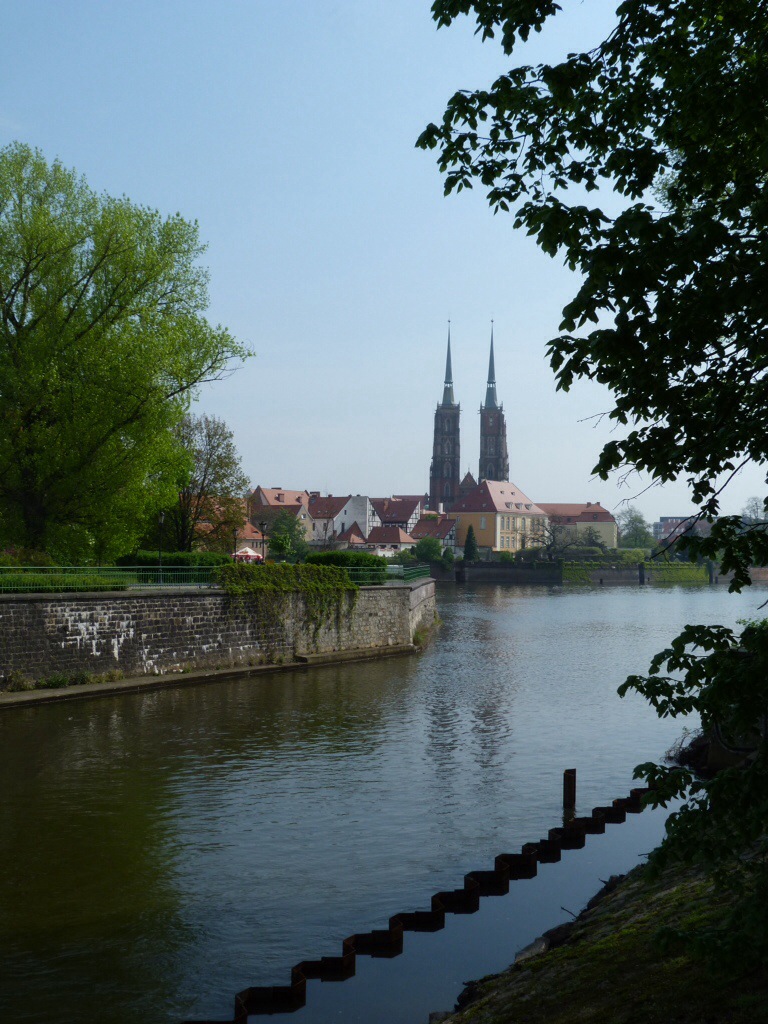
Wroclaw (pronounced Vrots-waf) is on our way to Krakow and according to our friend Susan Spoto, is reputed to be more manageable and just as beautiful and so should have been good practice for the Nelsons. Maybe…but on our way our GPS spirit and guide tried to take us via Prague instead of directly via the autobahn. Turns out that she must be told specifically that we are willing to pay tolls or she only takes us over back roads and through small villages (for 3 hours until we figured out what we needed to tell her!). Oh well we saw gorgeous Czech Republic back country and villages and tonight we are in Wroclaw ready to explore this lovely old historic town tomorrow,

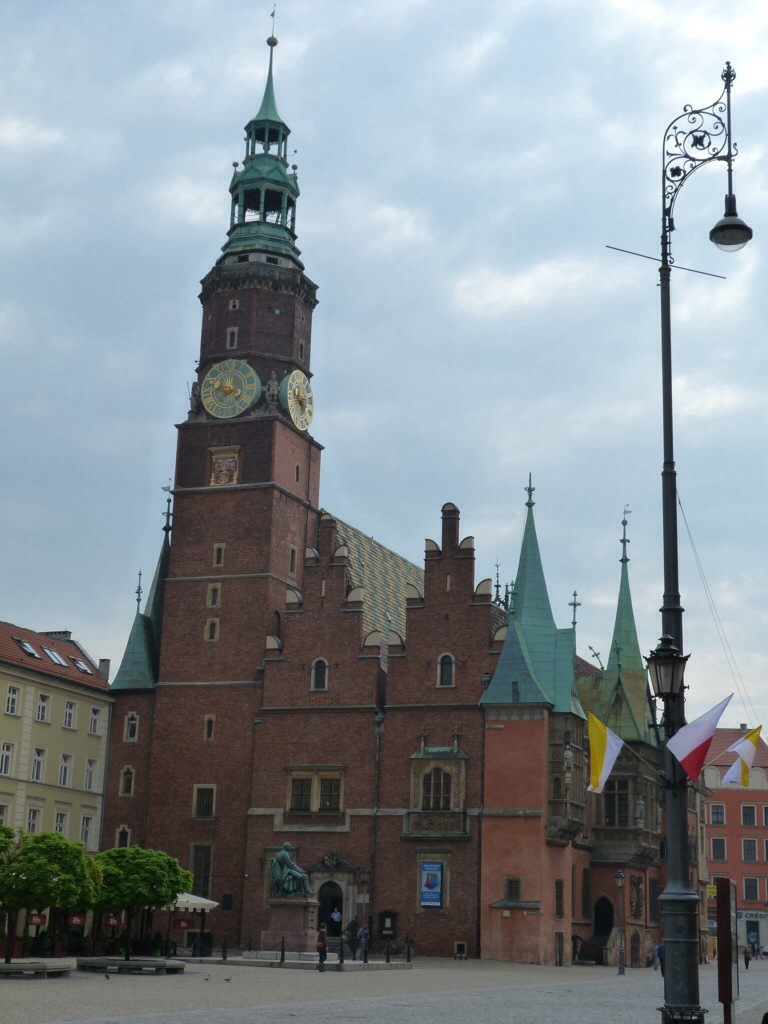
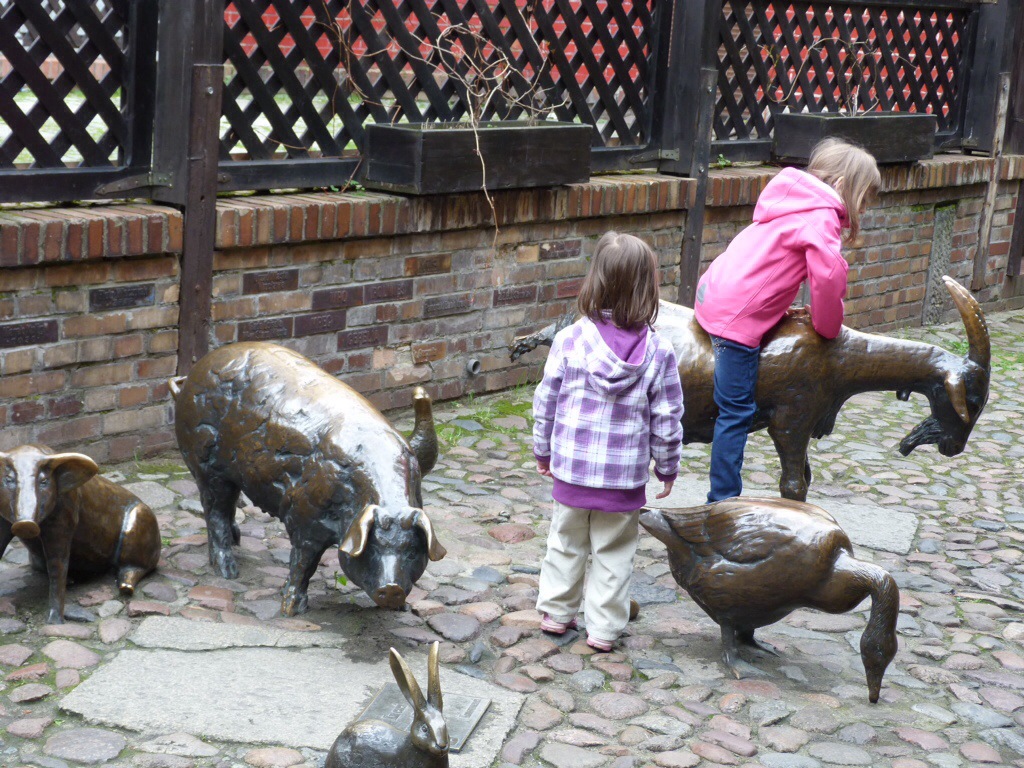
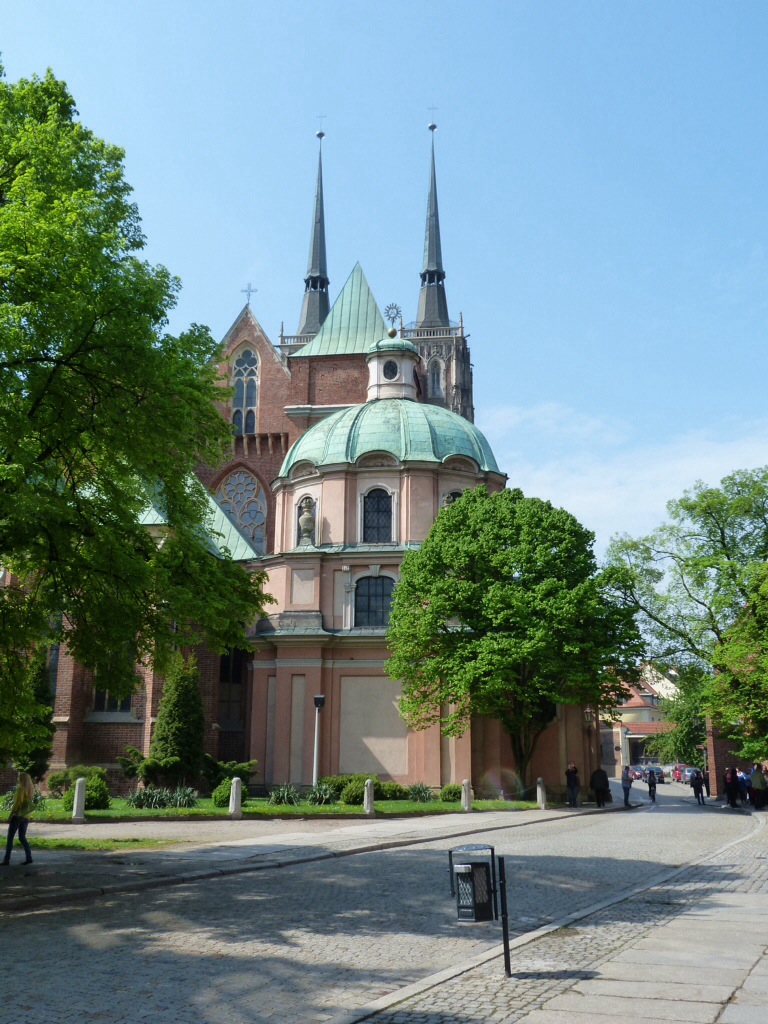
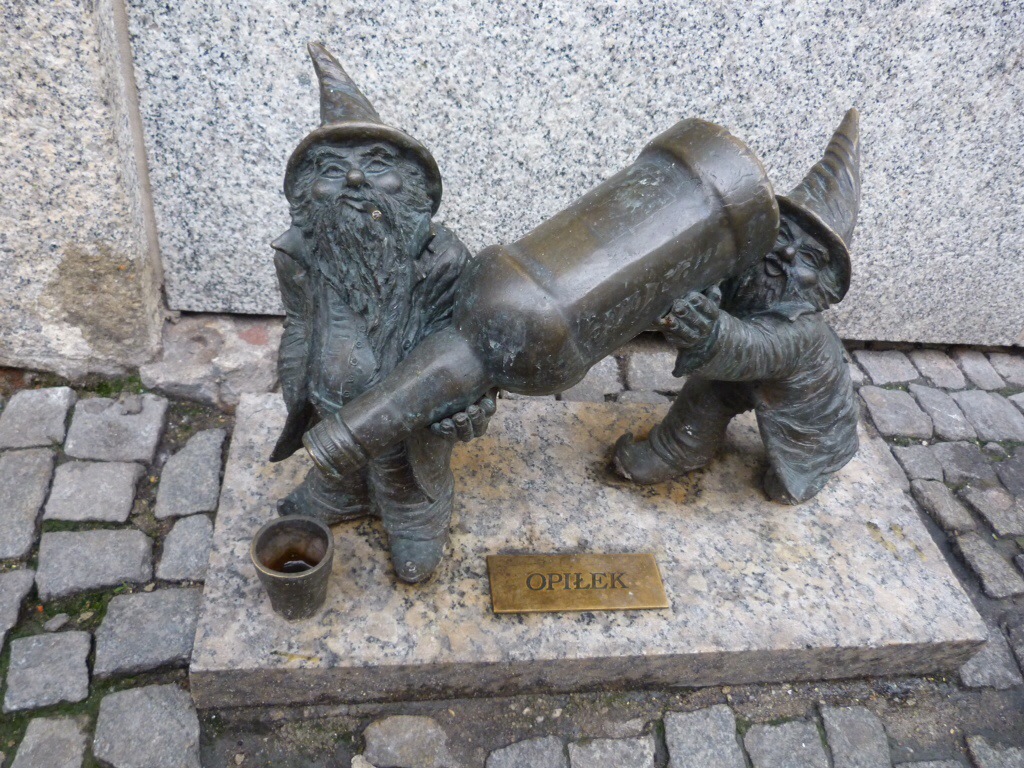
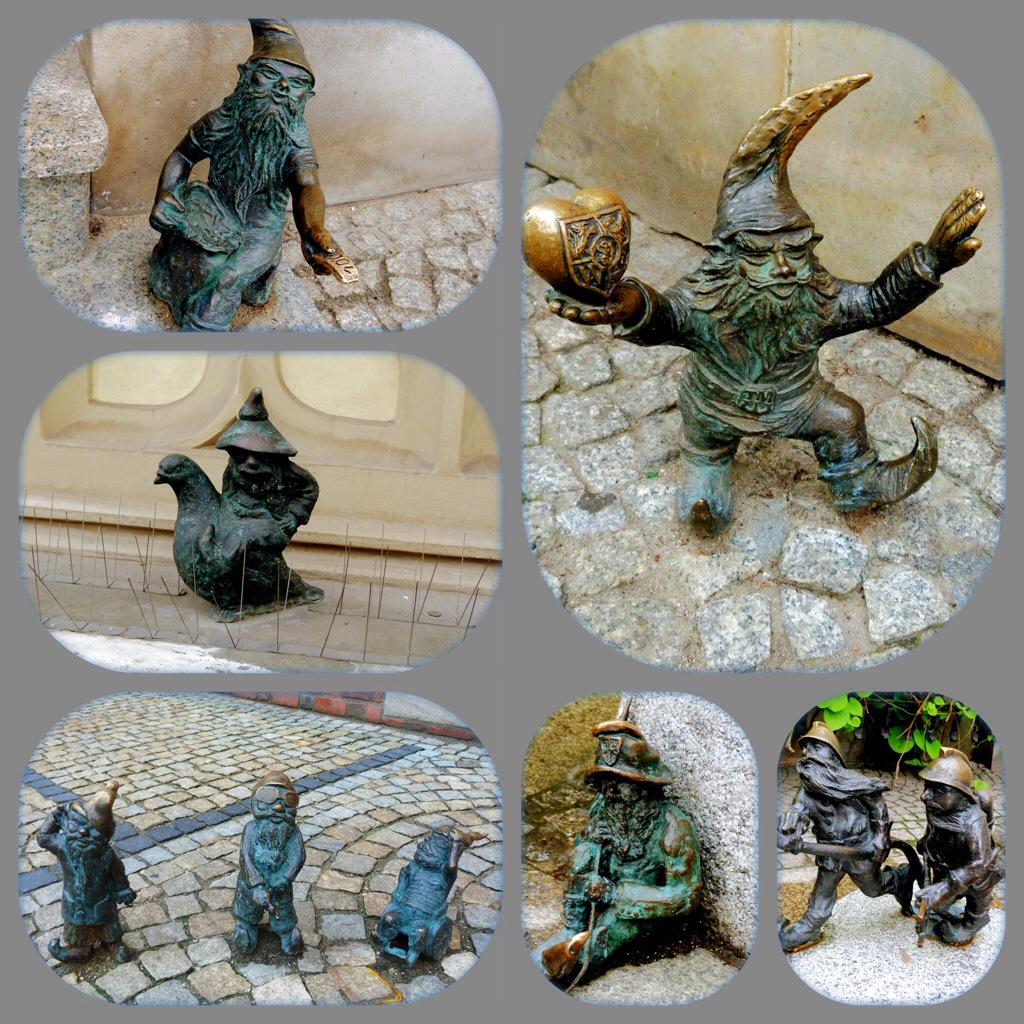
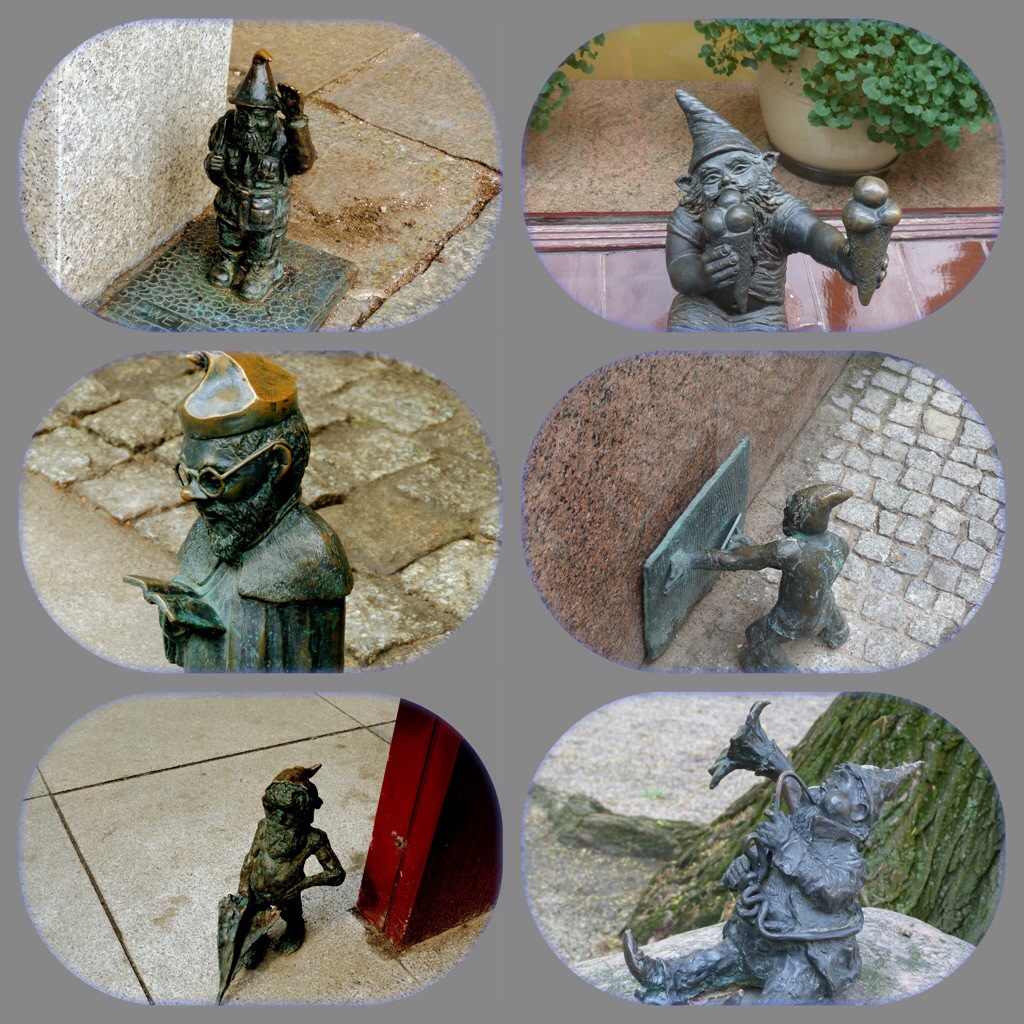
Wroclaw is located in southwestern Poland in the historic region of Lower Silesia and has a fascinating storyline; through the course of its history it has gone under five names, been passed between four countries and seen the painful end of both fascism and communism. Today as we set out we see a Wroclaw that boasts fascinating architecture, criss crossing rivers and bridges, and a lively and metropolitan cultural scene energized by university students who comprise 20% of the population. The family friendly appeal seems to be exemplified by the 100 plus gnomes dotting unassuming spots throughout the historic area.

Prior to the Second World War, Wroclaw (Breslau in German) was the capital of the German province of Prussian Lower Silesia. It was annexed by Poland when, after the War, the Soviets moved the German/Polish border westward to the Oder/Neisse Line. Wroclaw was almost completely destroyed during the end of the War as the Red Army fought its way into Germany towards Berlin, being declared a “Fortress City” by Hitler. However, it has been wonderfully restored and can now be counted amongst the highlights of Poland and of all Central Europe. Combined with the current unrest in the general region (Kiev) we hope to be ahead of the tourist hordes as Poland rushes headlong into further integration with the rest of Europe. As a naive American, I am still astounded by the fluid regard for Poland’s borders over the centuries as they have been shoved and tugged back and forth by neighboring countries depriving the people of the stability and safety that we Americans assume as our birthright.

20140424-190945.jpg

20140424-191015.jpg

20140424-191042.jpg

20140424-191115.jpg

20140424-191150.jpg

20140424-191216.jpg

20140424-191243.jpg

20140424-191309.jpg

20140424-191349.jpg

20140424-191514.jpg

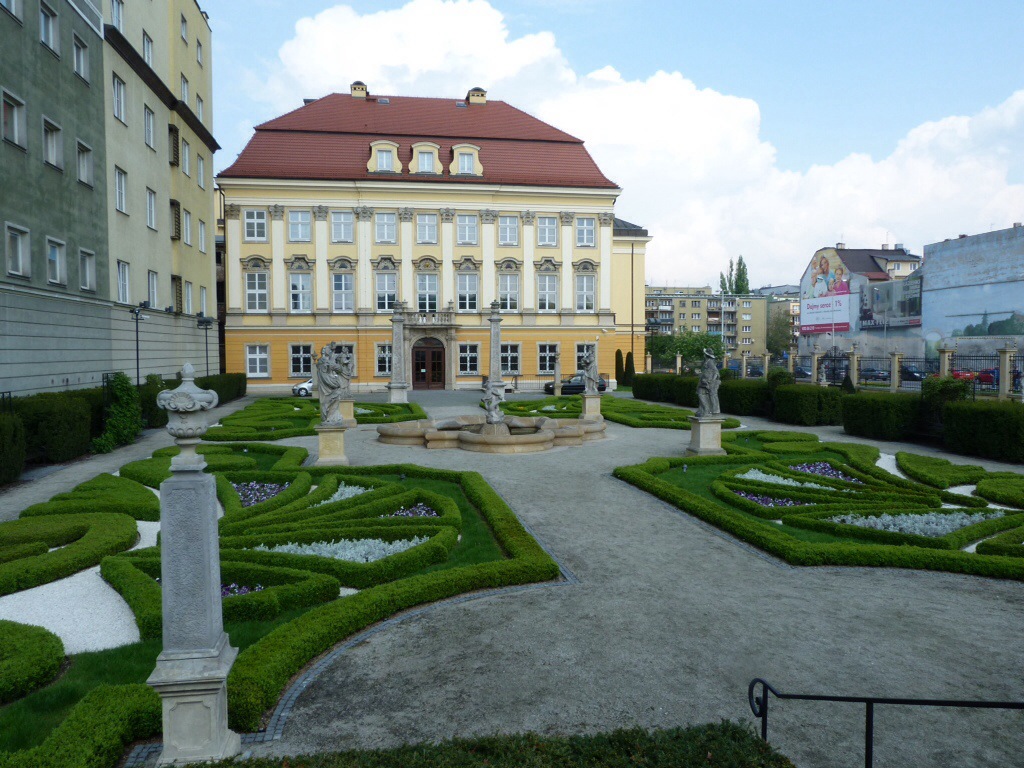
The Royal Palace-Historical Museum

20140425-201921.jpg

If Gnomes Don’t Drink They at Least Pour

20140610-142443-51883995.jpg

The Hunt was on for Gnomes

20140610-142441-51881160.jpg

More Gnome Discoveries

Apr 232014
 

20140609-143311-52391192.jpg

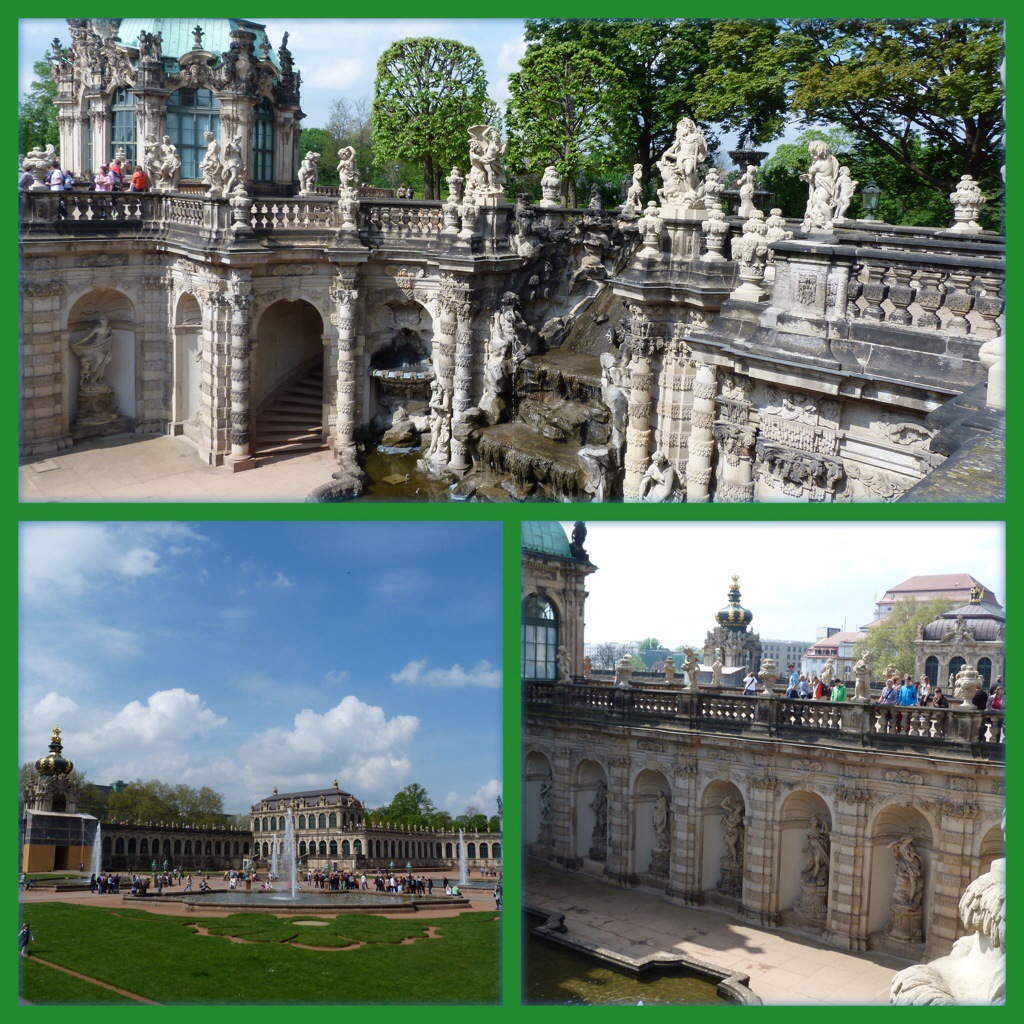
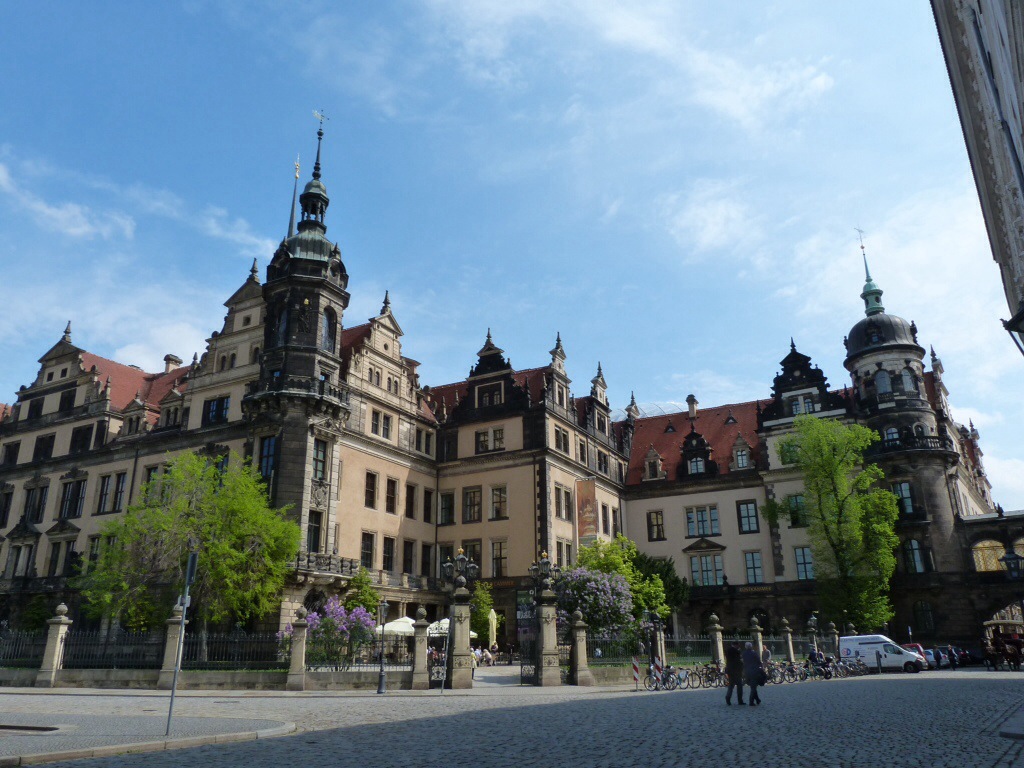
Inside the Royal Palace Gardens


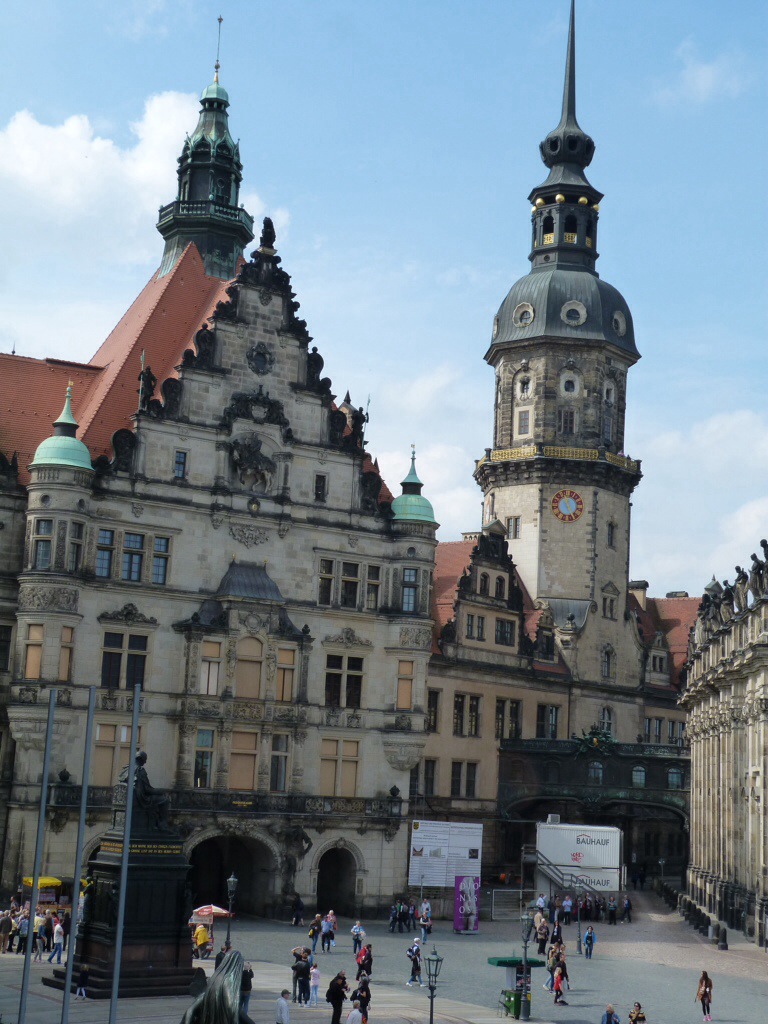
Dresden recently celebrated the 800th anniversary of its founding and is justly proud that it was home to many Saxon princes and kings,  the most famous of whom was Augustus the Strong and whose kingdom also included Poland.  Old August was a member of the family Wettiner and he was closely related to numerous other European royal families. Many of the buildings that are still standing or that have been restored, date from the Wettiner’s reign and are testimony to the Wettiner dynasty ‘s extreme wealth and power. The last of their line of rulers abdicated in 1918.

Seventy-five percent of the historical centre of Dresden was destroyed by Allied bombing in 1945. Annual ceremonies in the city mark these events to remember the more than 30,000 people who died– the exact number is unknown.
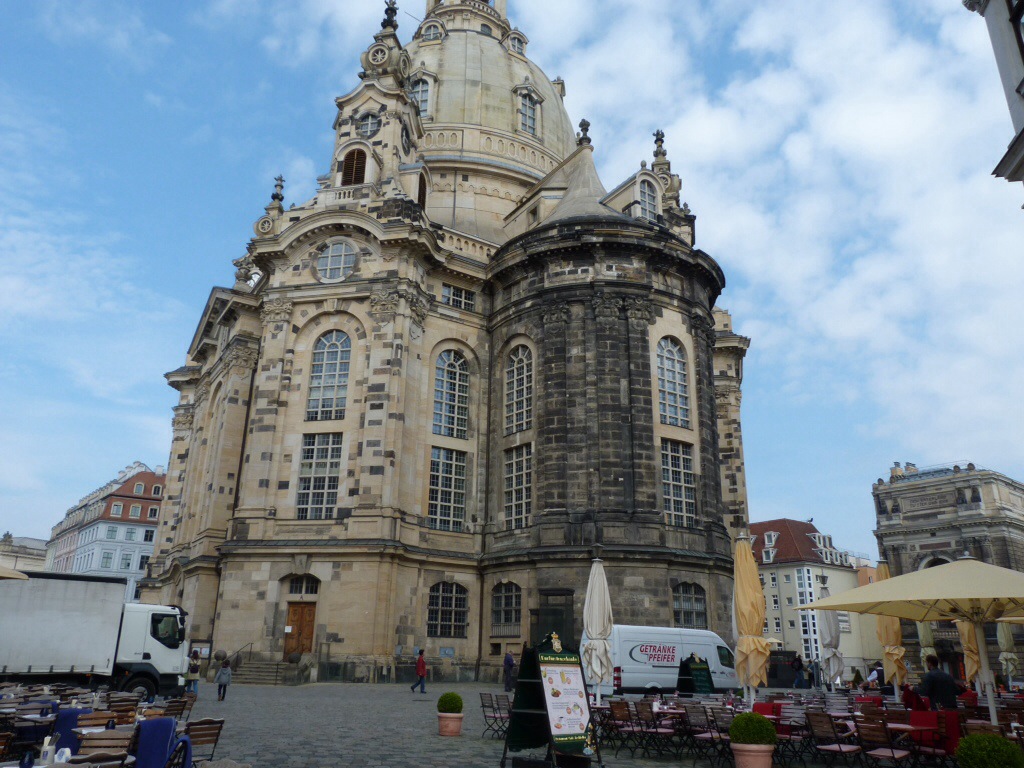
The newly rebuilt Frauenkirche, crowned with its donated gold cupola from the United Kingdom, shines as the latest reconstruction. Our hotel is literally around the corner so most of the historical reconstruction area is accessible.

The Royal palace, formerly one of the finest Renaissance buildings in Germany, consists of great halls and apartments once filled with the royal family’s extravagant treasure trove of ivory, silver and gold knick-knacks equally adorning equally opulent chambers. Now the collection is housed in the Historic Green Vault since the state rooms of August the Strong are currently closed.

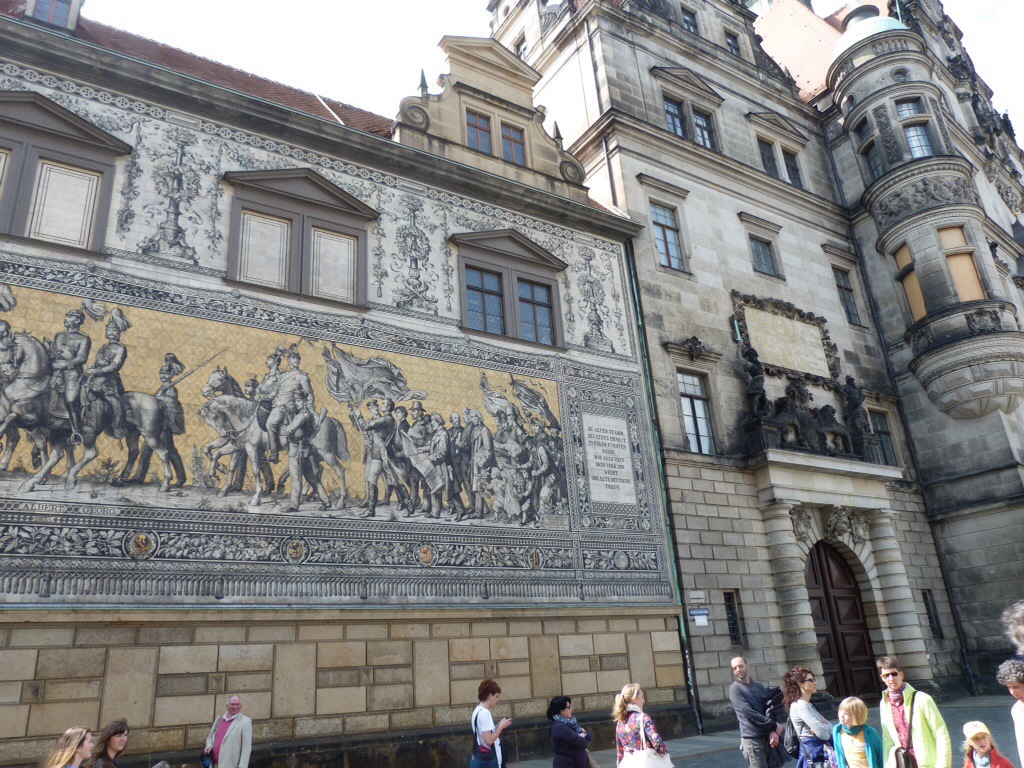
The last picture here, Parade of Nobles, painted on 24,000 Meissen porcelain tiles is longer than a football field and depicts 700 years of Saxon Royalty, fashion and weapons and was installed in 1871.

Even after sixty years Dresden appears to be in a constant state of reconstruction and refurbishment, some of which is controversial with locals–building facades and statuary darkened by oxidation when cleaned are then “protected” with a silicone treatment that keeps them from darkening yet again–an unwelcome change from the way it used to look.

Until the government decided to build a four-lane highway through the heart of the Elbe Valley, Waldschlösschen Bridge was on the UNESCO World Heritage list. So now it is known as “one of only two un-UNESCO’d sites in the world which has been ‘deUNESCO commissioned” but Bob agrees that we will still take a look.

20140423-211525.jpg

Restored Frauenkirche

20140423-211613.jpg

Opera House

20140423-211651.jpg

20140423-211712.jpg

20140423-211748.jpg

Parade of Nobles